

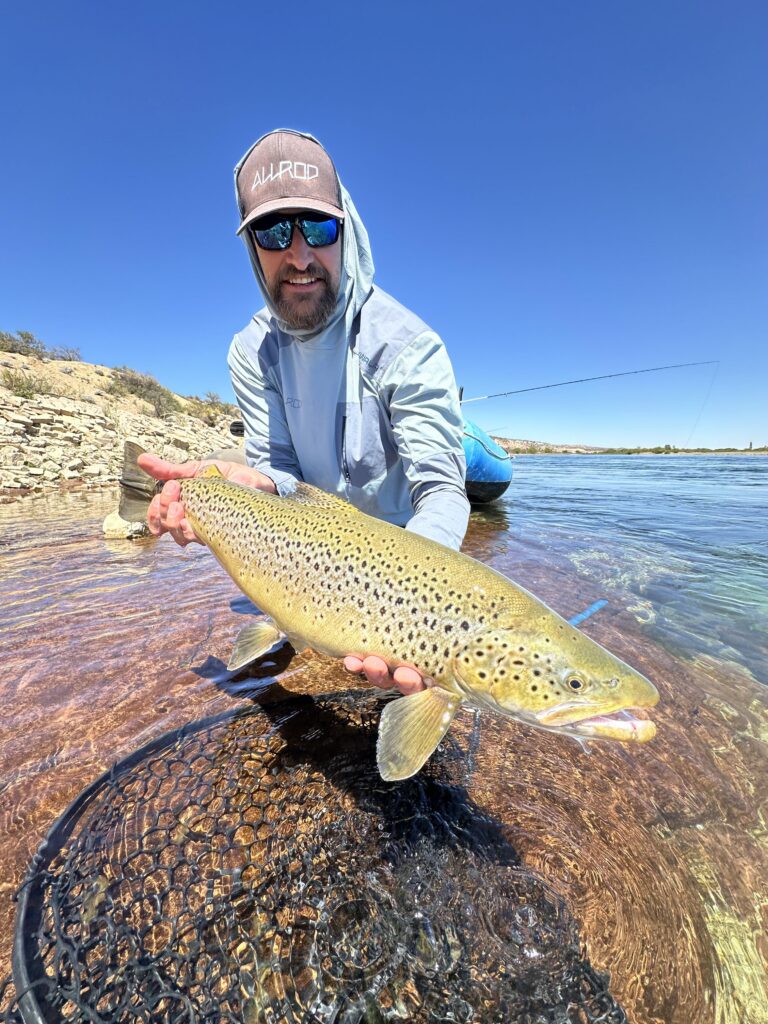
The venerable bunny leech is one of the most effective fly patterns of all time. Cast and retrieve a strip of rabbit on a hook, and you’ll usually find trout, bass, pike, or even tarpon willing to eat. Rabbit simply swims like a food item—predatory fish find that undulating motion irresistible.
For migratory trout, steelhead, and salmon, the bunny leech is a true go-to. Anadromous (sea-run or lake-run) fish often take a fly in a way that rewards a few smart design tweaks. The bunny leech itself isn’t new, but like most things in fishing, the devil is in the details.
Here’s how to tie a durable, fish-catching version that holds up to hard pulls and long casts.
Materials & Setup Notes
- Hook: #4 or #6 (upturned or straight eye preferred; you’ll cut the front hook later). Inexpensive hooks work fine. Shanks are a good alternative.
- Trailer hook: Short-shank sticky hook such as a #2 Owner Mosquito Hook
- Connection: ~4 inches of 30 lb Berkeley FireLine (plus a few glass beads for extra flash if desired)
- Rabbit strip (zonker)
- Dubbing (Ice Wing Fiber or similar sparse, flashy material)
- Flashabou
- Thread, head cement
- Optional: Horse hoof nipper or similar for clean cuts
Average finished length: 3 to 4 inches (adjust to your preference).
Step-by-Step Tying Instructions
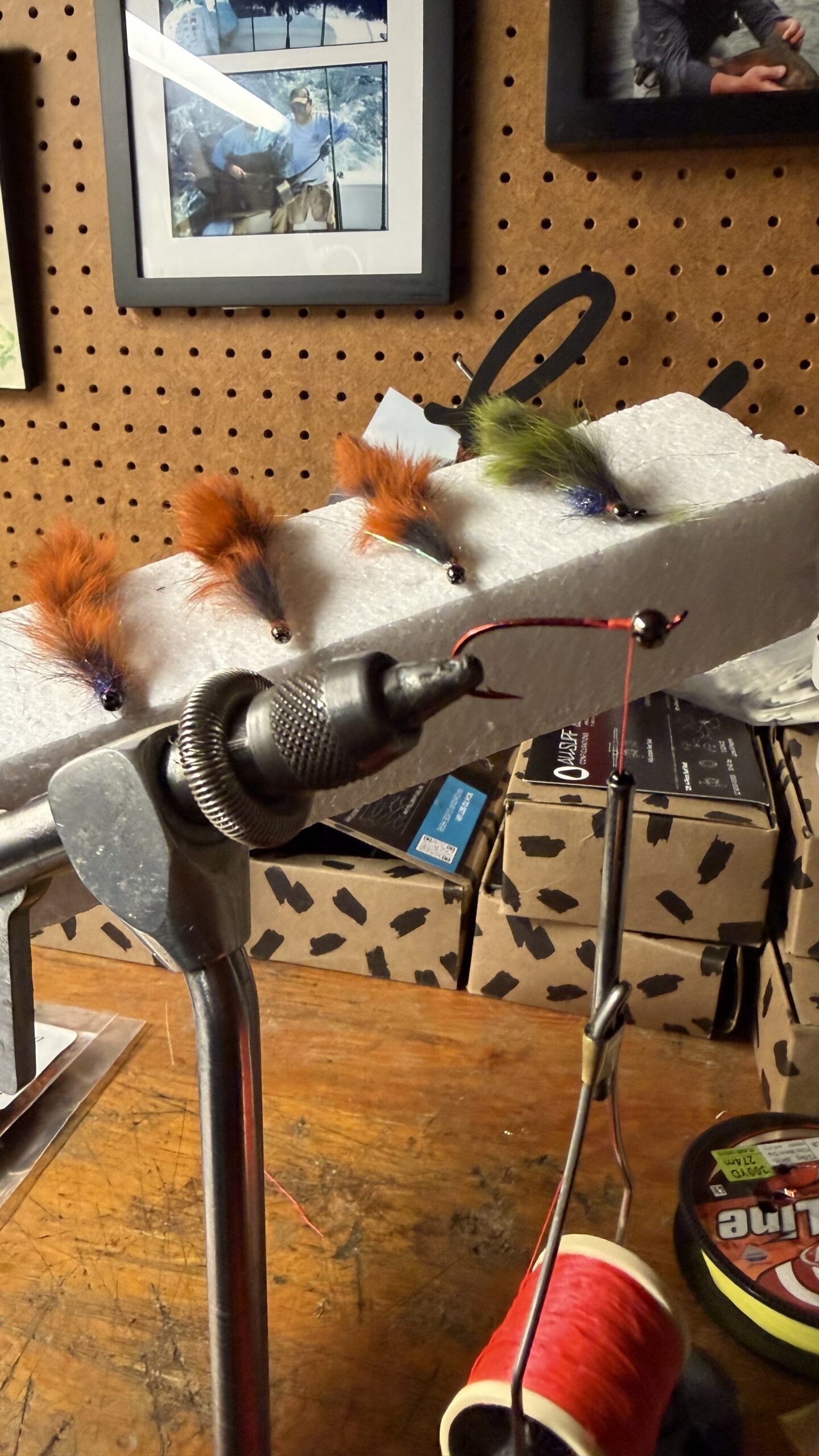
1. Start the front hook
Add a bead to the #4 or #6 hook. Place it in the vise.
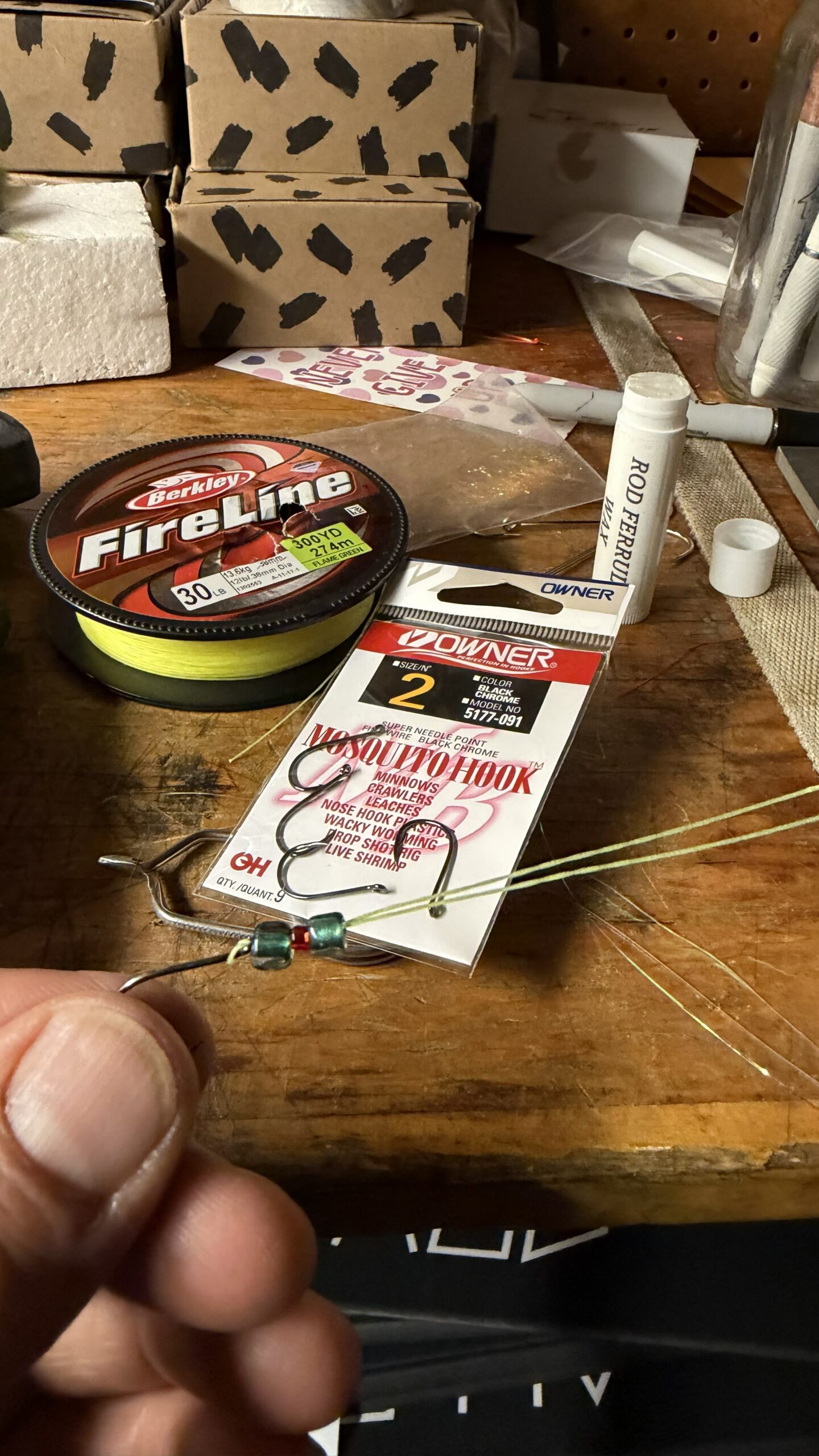
2. Build the trailer connection
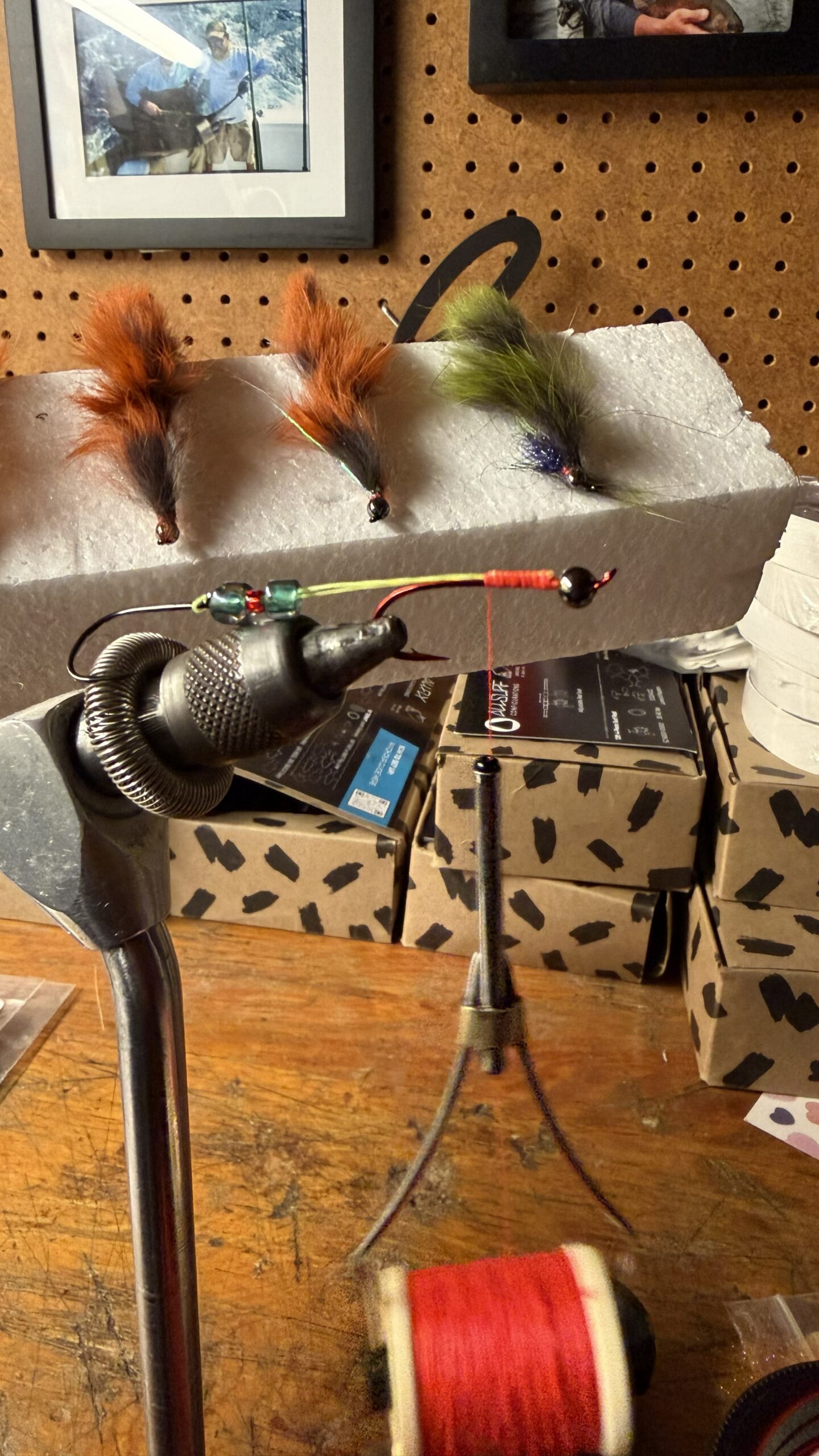
Cut about 4 inches of 30 lb Berkeley FireLine and loop it around the short-shank trailer hook (consider a #2 Owner Mosquito Hook). Add a few glass beads if you want extra attraction. The overall length of the finished fly is up to you, but most tiers settle in the 3–4 inch range.
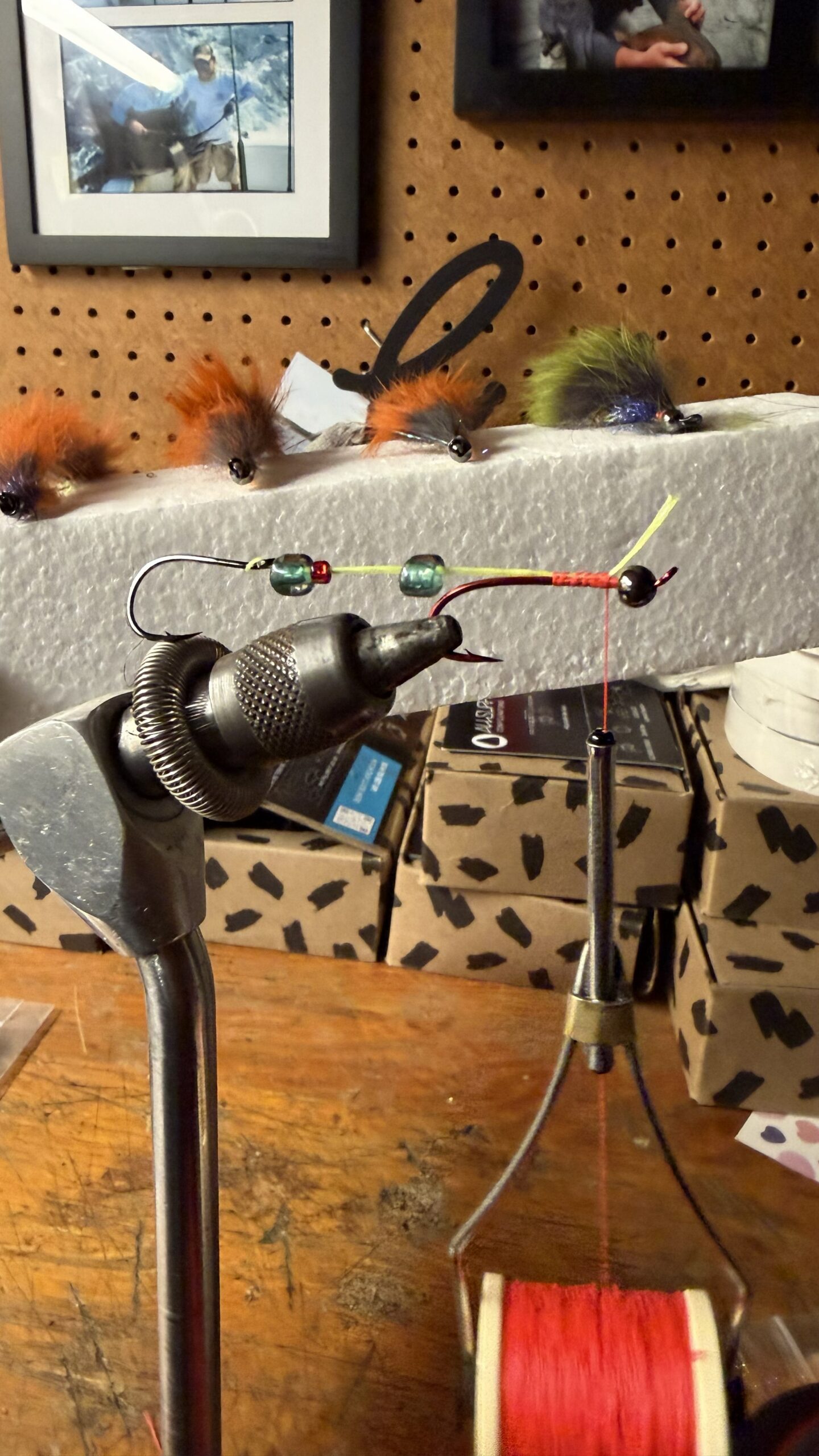
3–4. Secure the FireLine
Attach the FireLine to the front hook with tight thread wraps. Leave a short upright tag, then double the tag end back over the shank and wrap it down securely. A drop of head cement locks everything in place so the fly won’t come apart under pressure.
5. Attach the rabbit strip
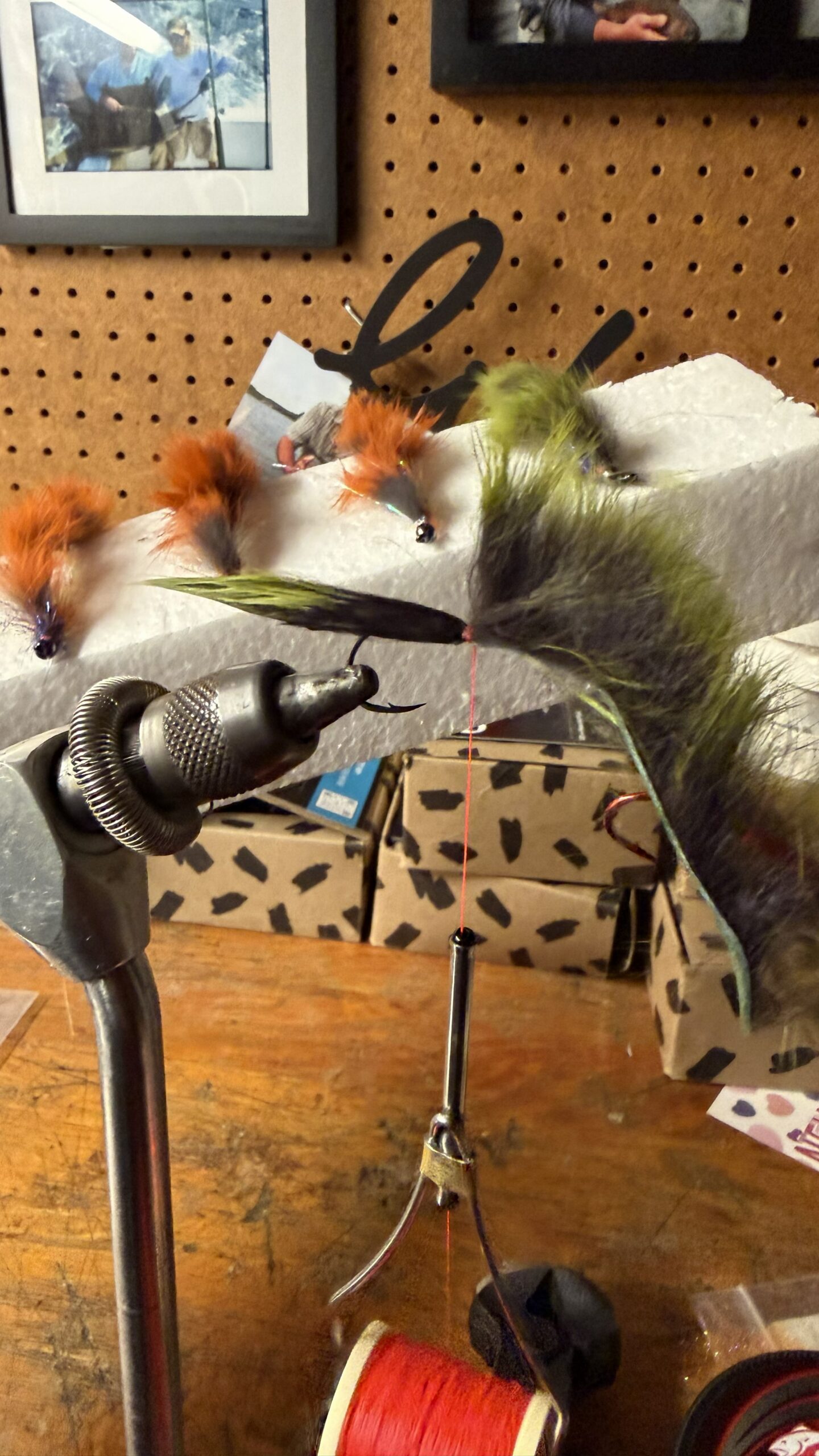
Measure and cut a rabbit strip that runs from the rear of the trailer hook to the eye of the front hook. Wet the rabbit with a little saliva (it helps the fibers lie flat), then secure it to the trailer hook with several firm thread wraps just behind the eye. Whip-finish or half-hitch and add a dab of head cement.
6. Add the flash
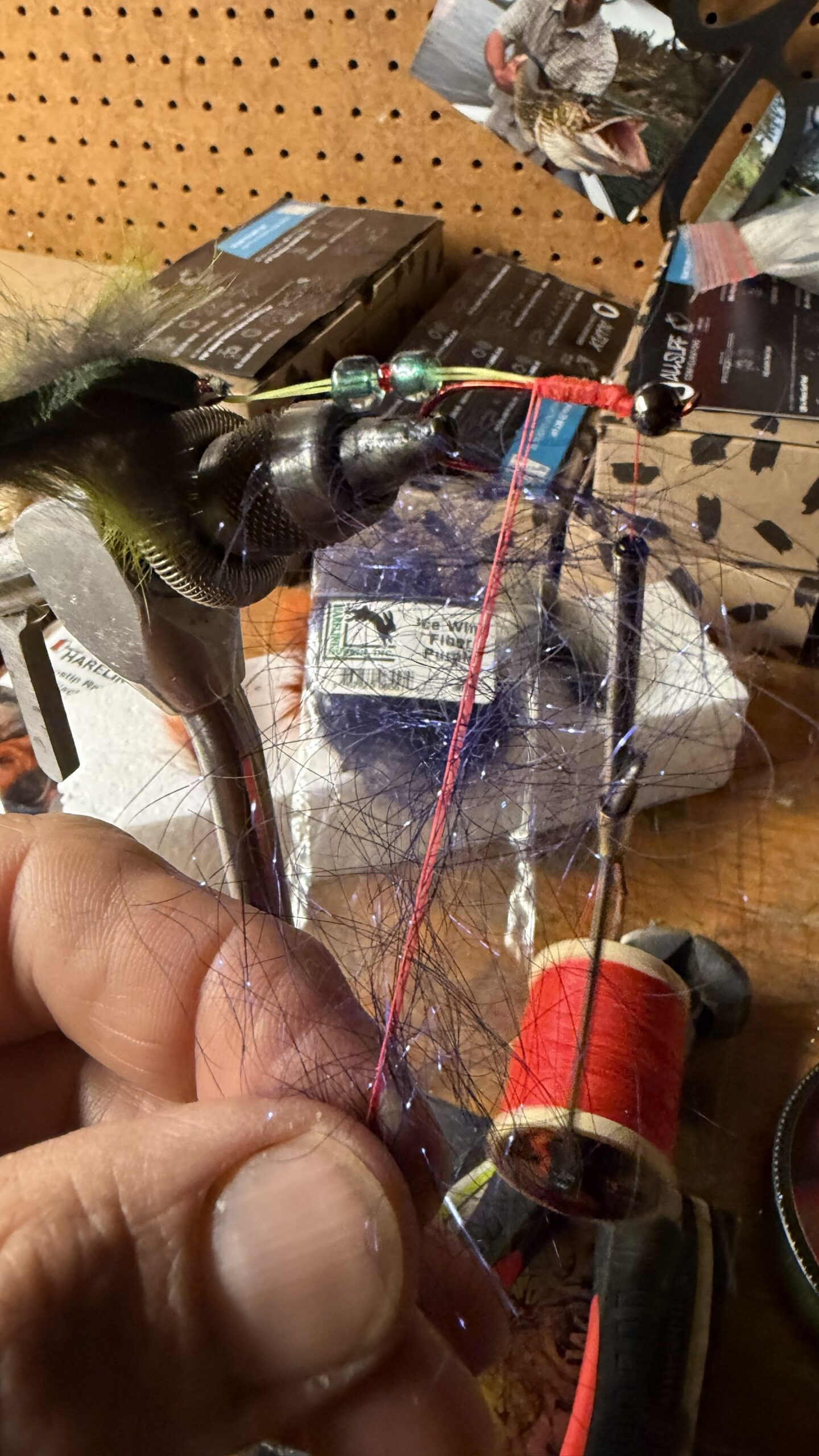
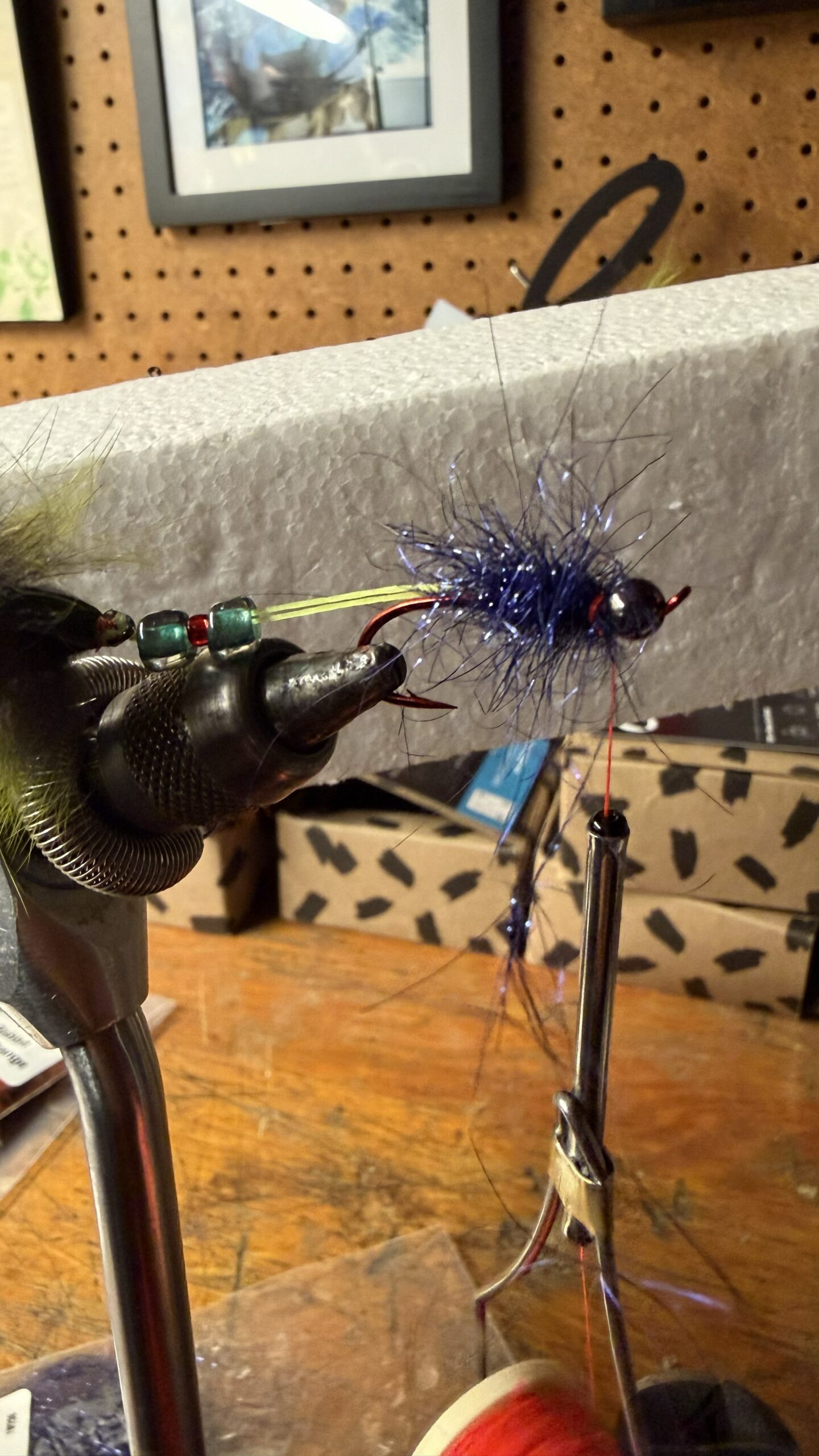
Restart your thread on the front hook and form a dubbing loop. Use a long, flashy dubbing such as Ice Wing Fiber (keep it sparse). Wrap the dubbing forward, leaving a small gap behind the bead.
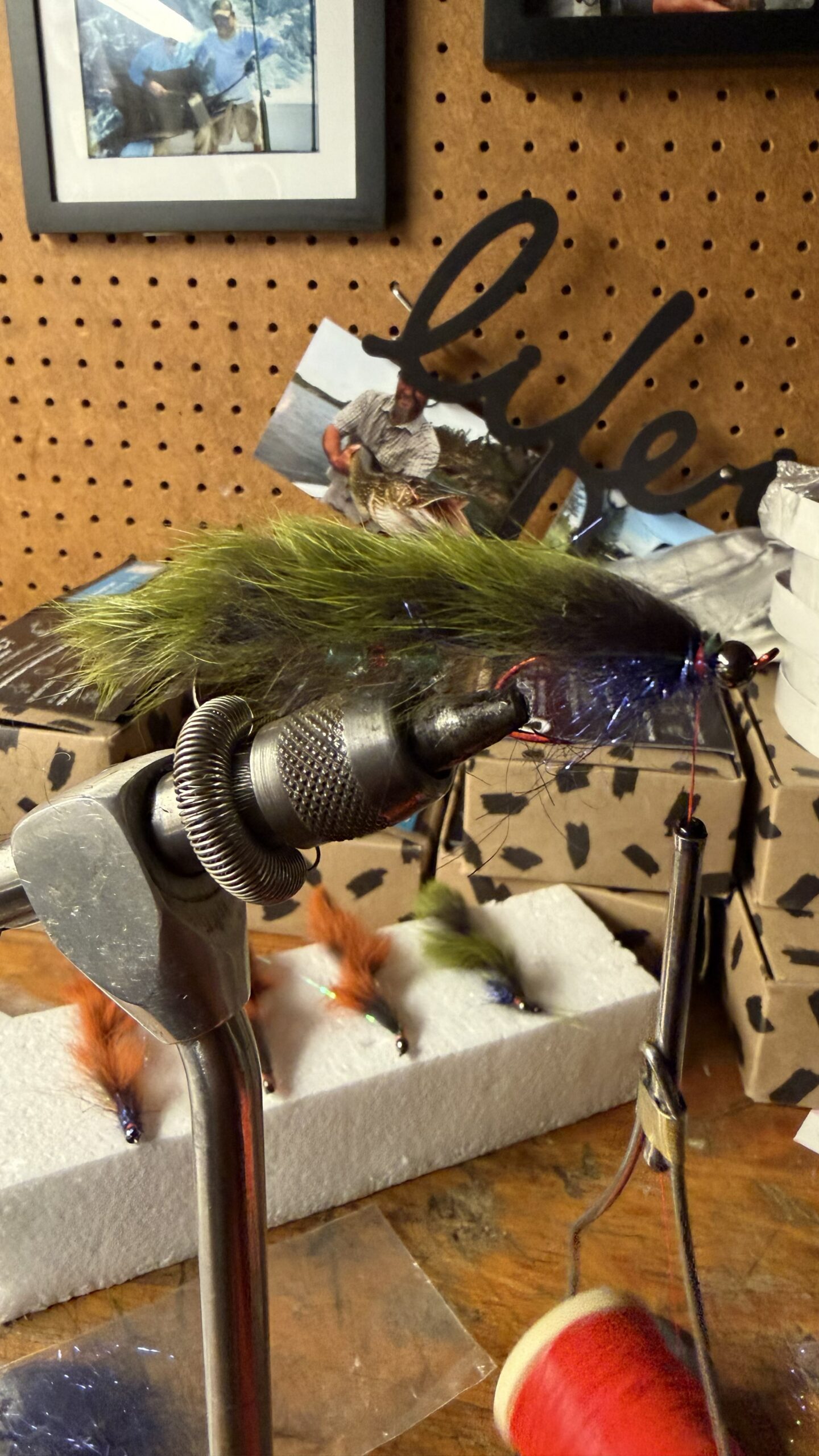
7–8. Finish the rabbit and add flash
Bring the rabbit strip forward and secure it with thread wraps just behind the bead. Whip-finish or half-hitch and apply head cement. Add two strands of Flashabou along each side of the fly for extra flash and movement.
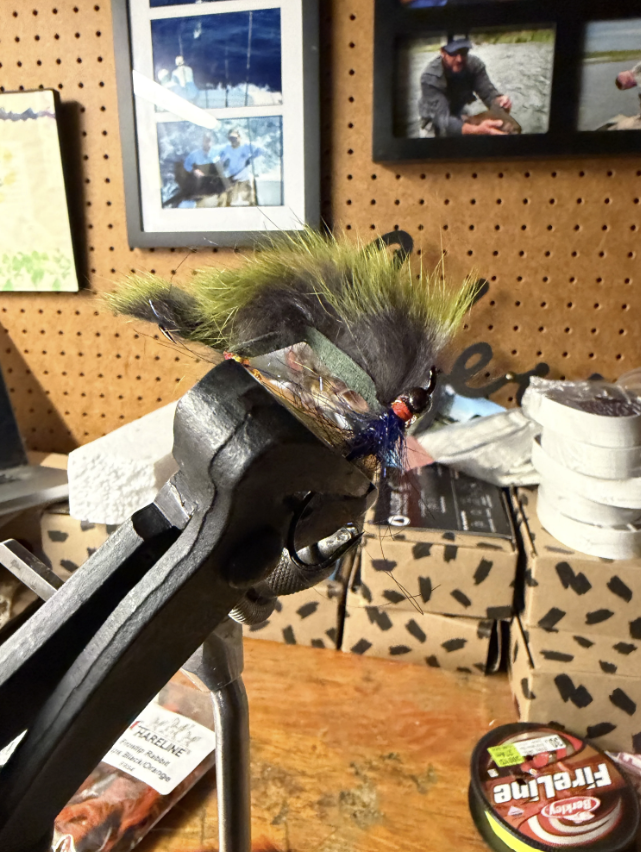
9–10. Cut and finish the shank
Cut the front hook just behind the dubbing (a horse-hoof nipper works great). File the cut end smooth so no sharp point remains – this prevents the FireLine from being nicked when a fish is hooked.
That’s it. Tie the pattern in a variety of colors and sizes and fish it with confidence anywhere you’re swinging for migratory salmonids. Whether you’re chasing steelhead, salmon, or lake-run trout, this articulated bunny leech delivers the lifelike action that triggers aggressive takes.
Ready to put it to the test on some of the world’s best waters for these fish? Got Fishing can help you plan the next adventure – reach out and let’s get you on the water.