




LODGING
Single & Double Guest Rooms
SPECIES
Golden Dorado, Pacu

SEASON
End of May – October
RECOMMENDED FOR…
Small Groups, Adventure-Seekers
EQUIPMENT
Bring Your Own Gear
Pluma Lodge sits on a cliff overlooking the banks of the Pluma River just upstream from its confluence with the Sécure, in the heart of the Isiboro-Sécure Indigenous Territory and National Park (TIPNIS). This is Tsimane’s most versatile program, offering the widest variety of techniques and water types: from open freestone runs and sandbars to rugged mountain streams and deep pools.
Anglers enjoy access to the Pluma River (upper and lower sections), the legendary Itirizama River (often called the crown jewel of Tsimane waters), and nearby stretches of the Sécure. The fishery is known for consistent action with resident and migratory golden dorado, including exciting feeding frenzies when dorado chase schools of sábalo.
The standard program runs late May through October and hosts a small group of anglers each week in a true wilderness setting with light fishing pressure. An optional heli-fishing program (typically July–October) provides short daily helicopter flights to even more remote, unpressured headwaters for those seeking the ultimate adventure.
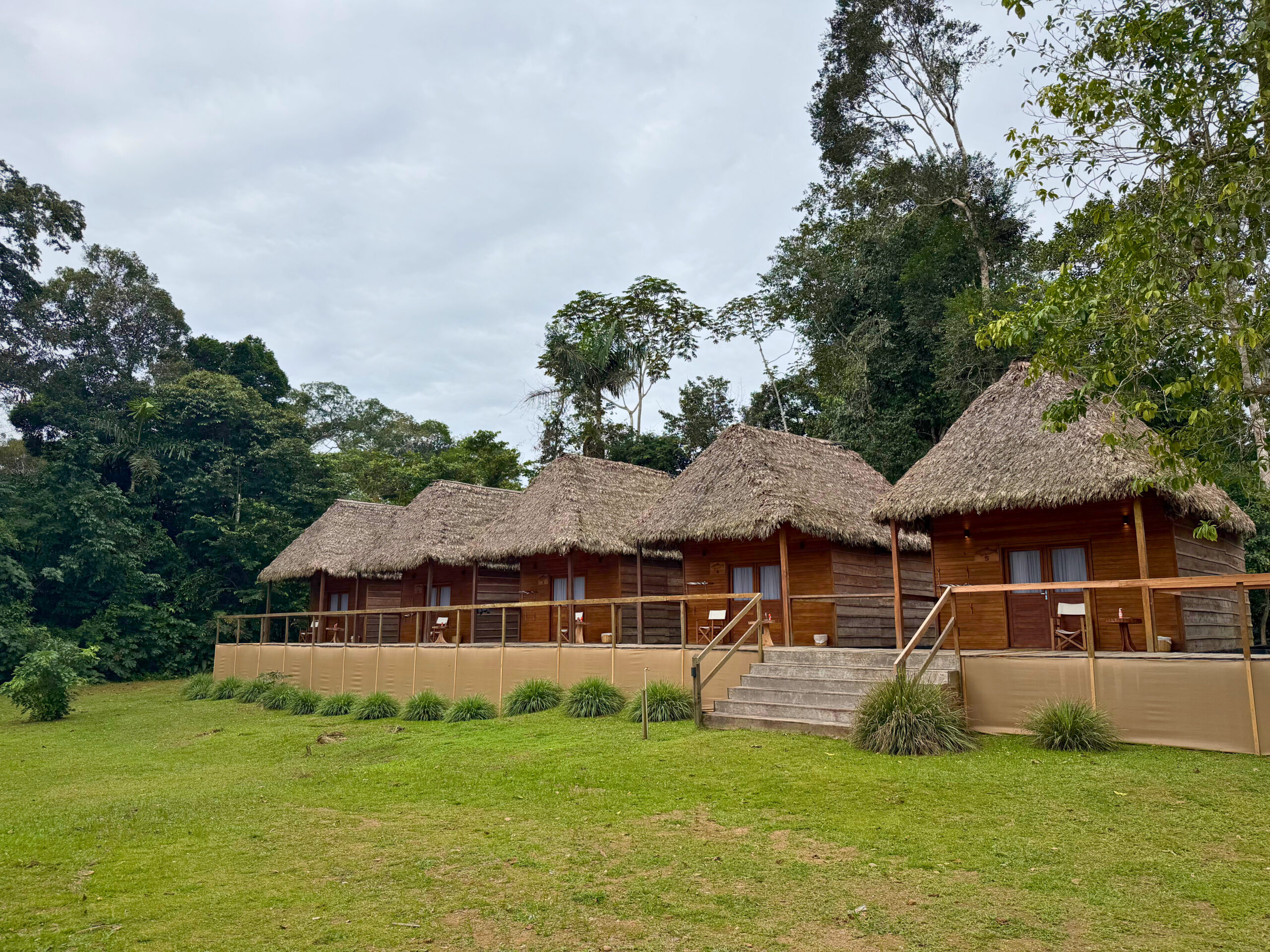
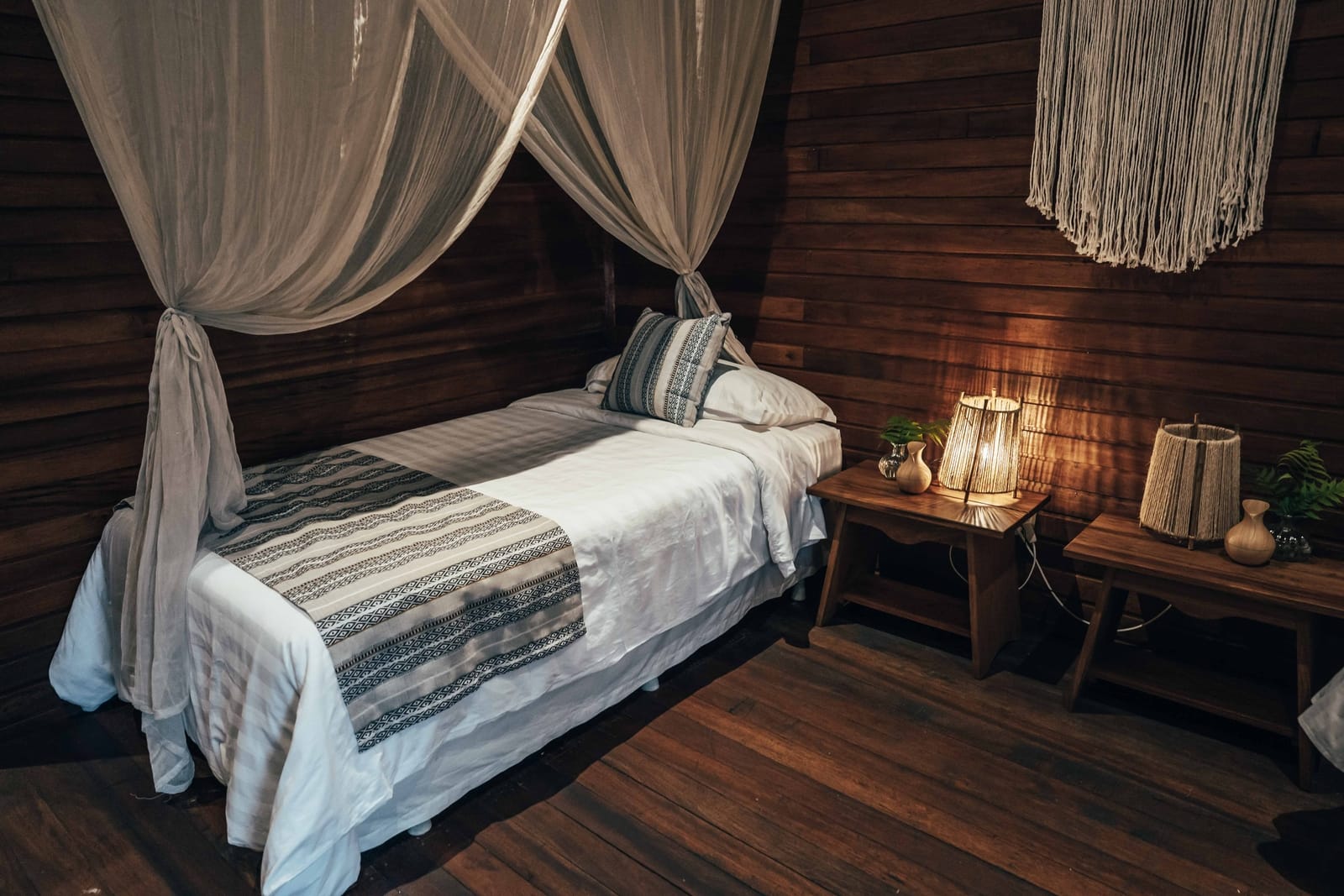
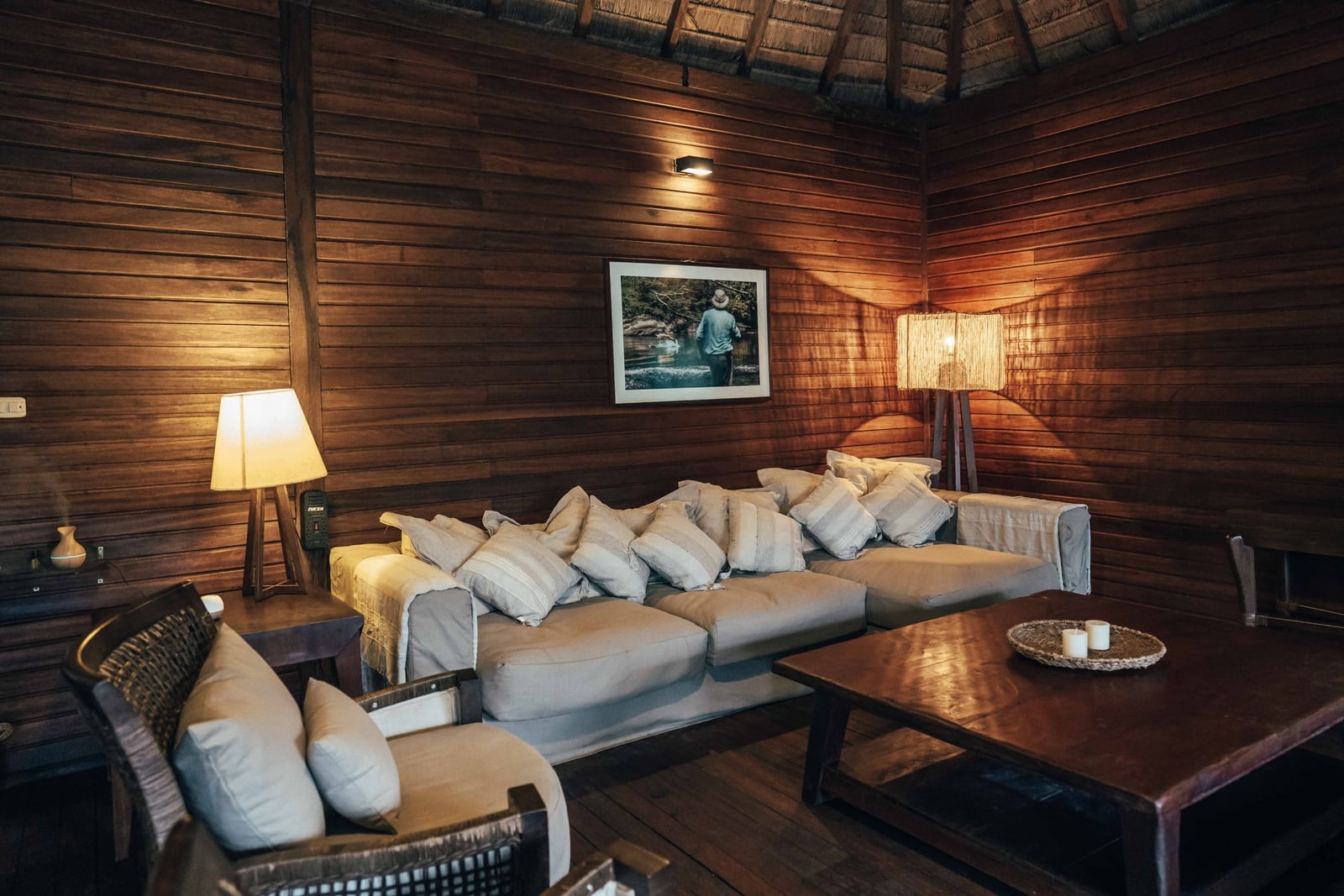
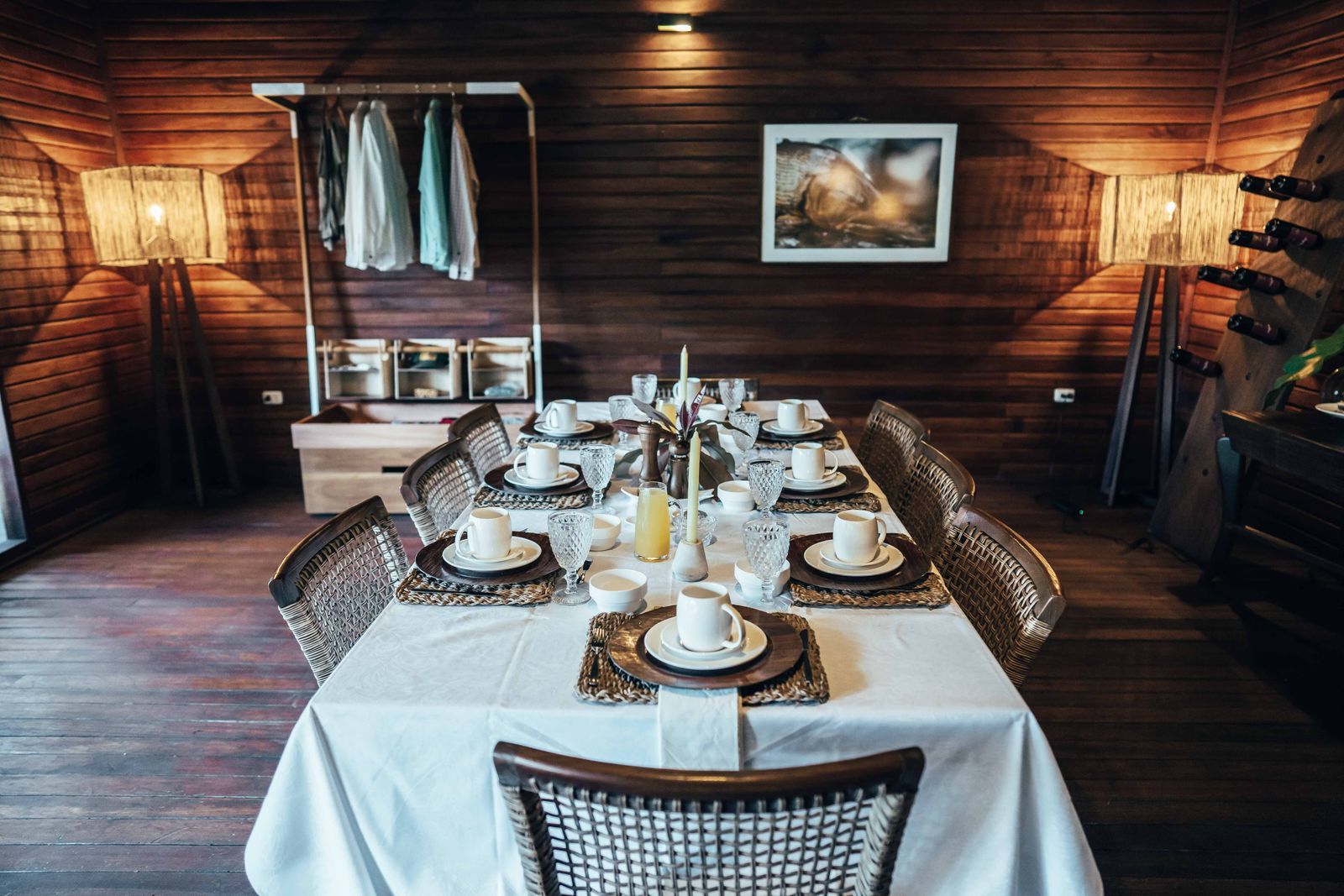
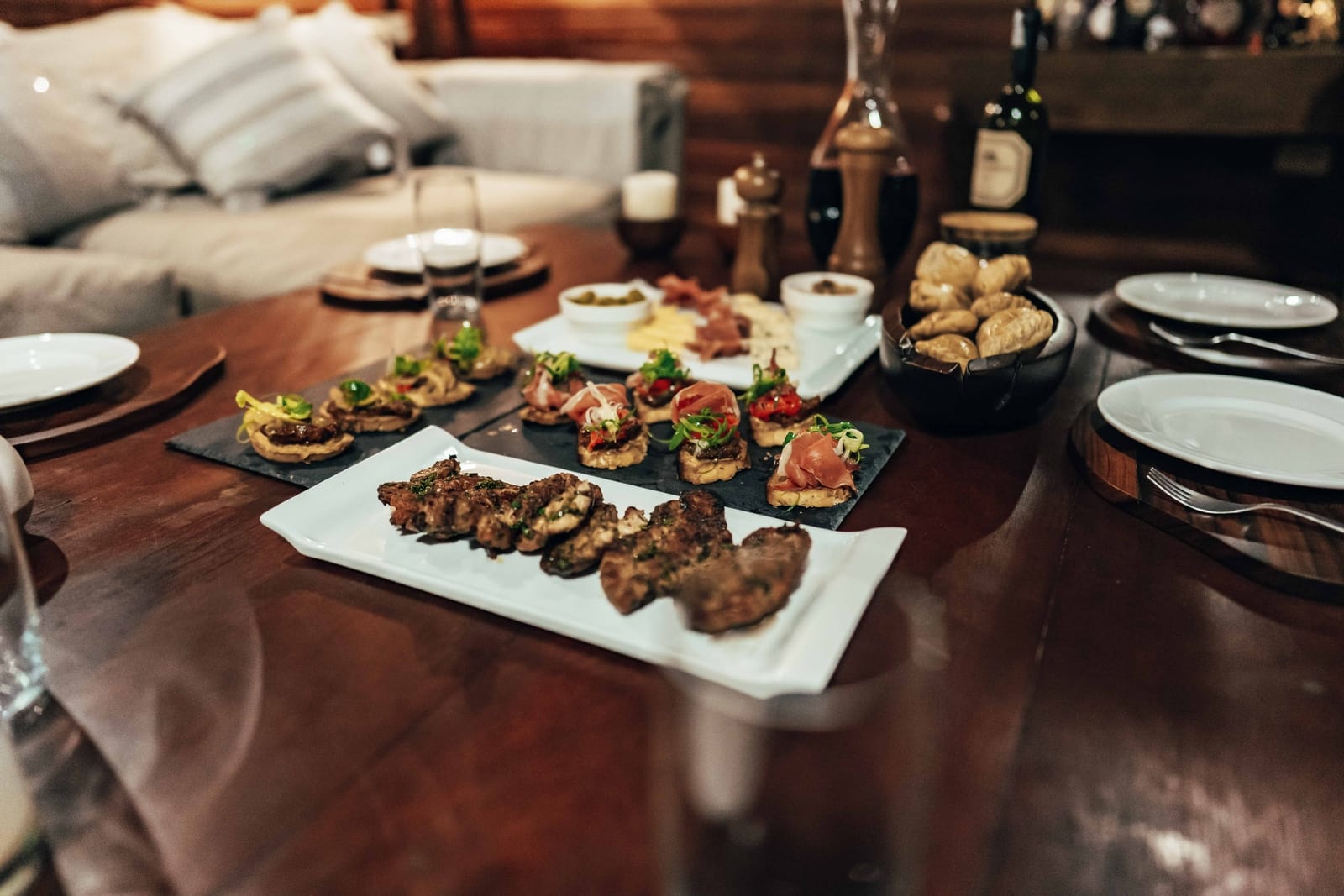
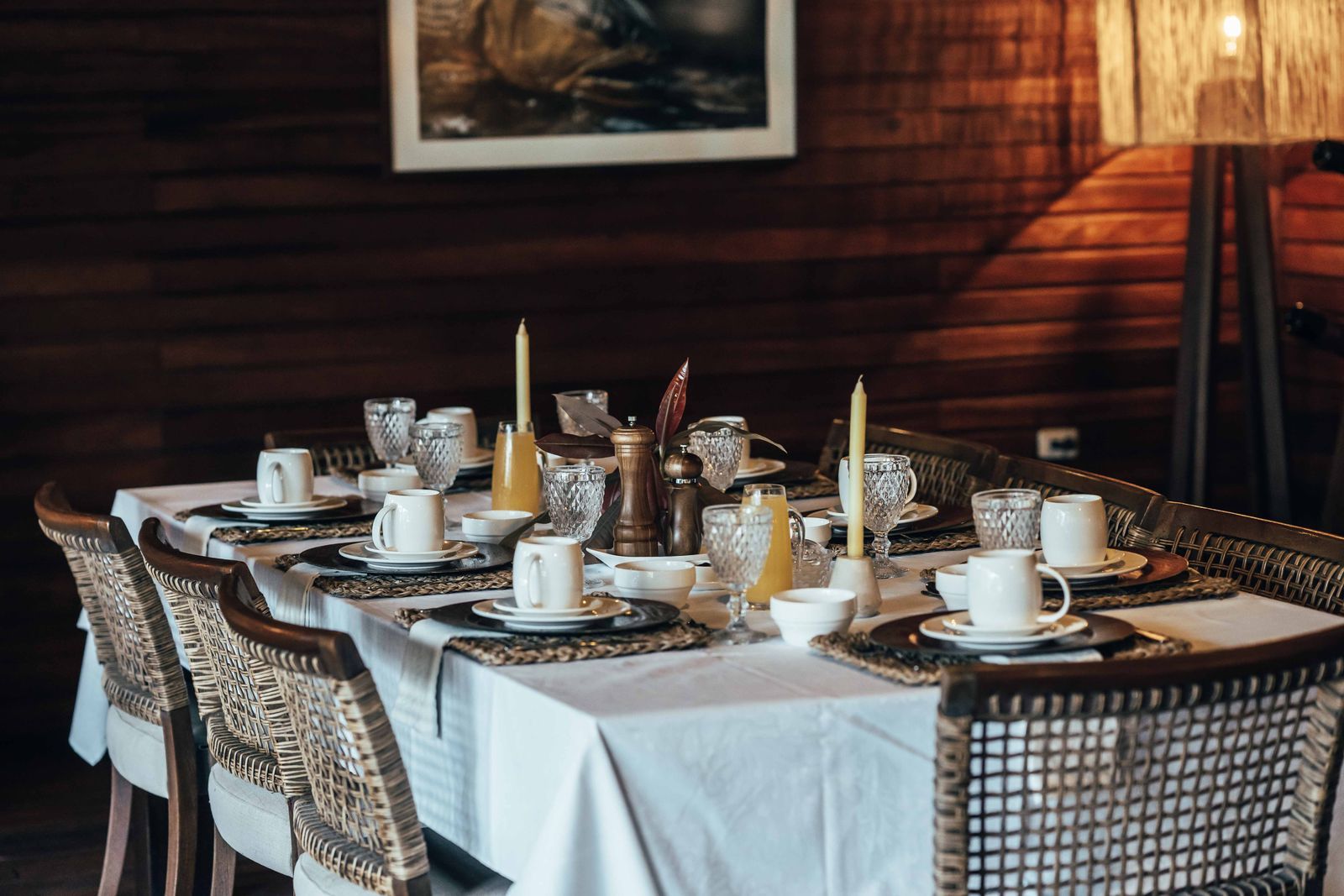
Pluma Lodge is a comfortable, sustainable jungle lodge constructed entirely from local hardwoods harvested nearby. Guests stay in private or double rooms with en-suite bathrooms, spring-box or queen beds, hot water, electricity (generator-powered), ceiling fans, and daily free laundry service.
The lodge features a spacious living and dining area where international cuisine is served alongside fine Argentinean, Chilean, and Bolivian wines. An all-inclusive bar offers spirits, beer, and special drinks. Free Starlink Wi-Fi is available, along with a small fly shop and massage options. The setting is intimate and well-appointed for a remote Amazon location.
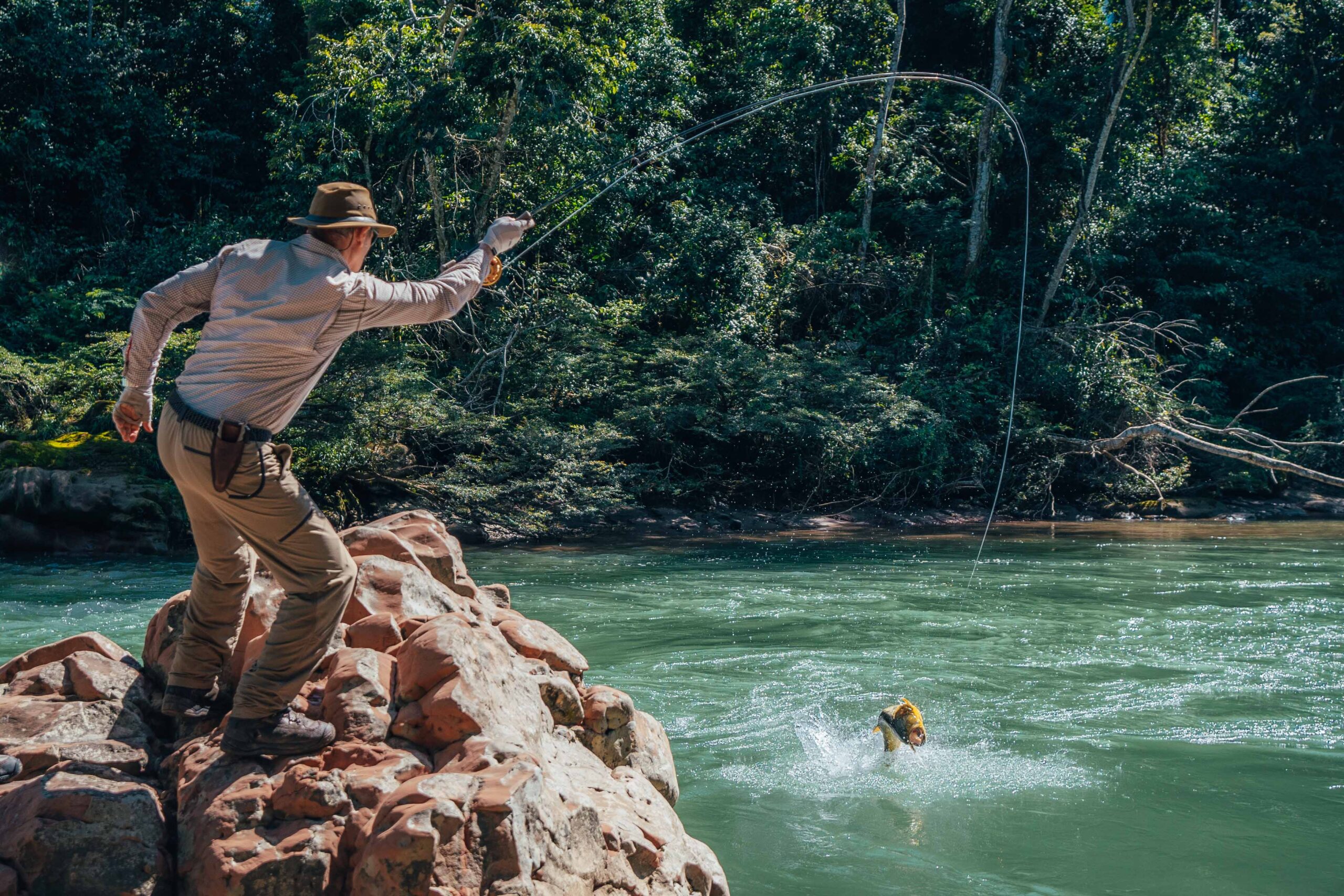
Fishing is primarily wet-wading and walking upstream on foot, with Chiman dugout canoes used to transport gear and for the return trip downstream. The Pluma River is a broader, more open freestone system with smooth gravel and rock banks that make wading relatively easy, while the upper sections and the Itirizama become steeper and more technical.
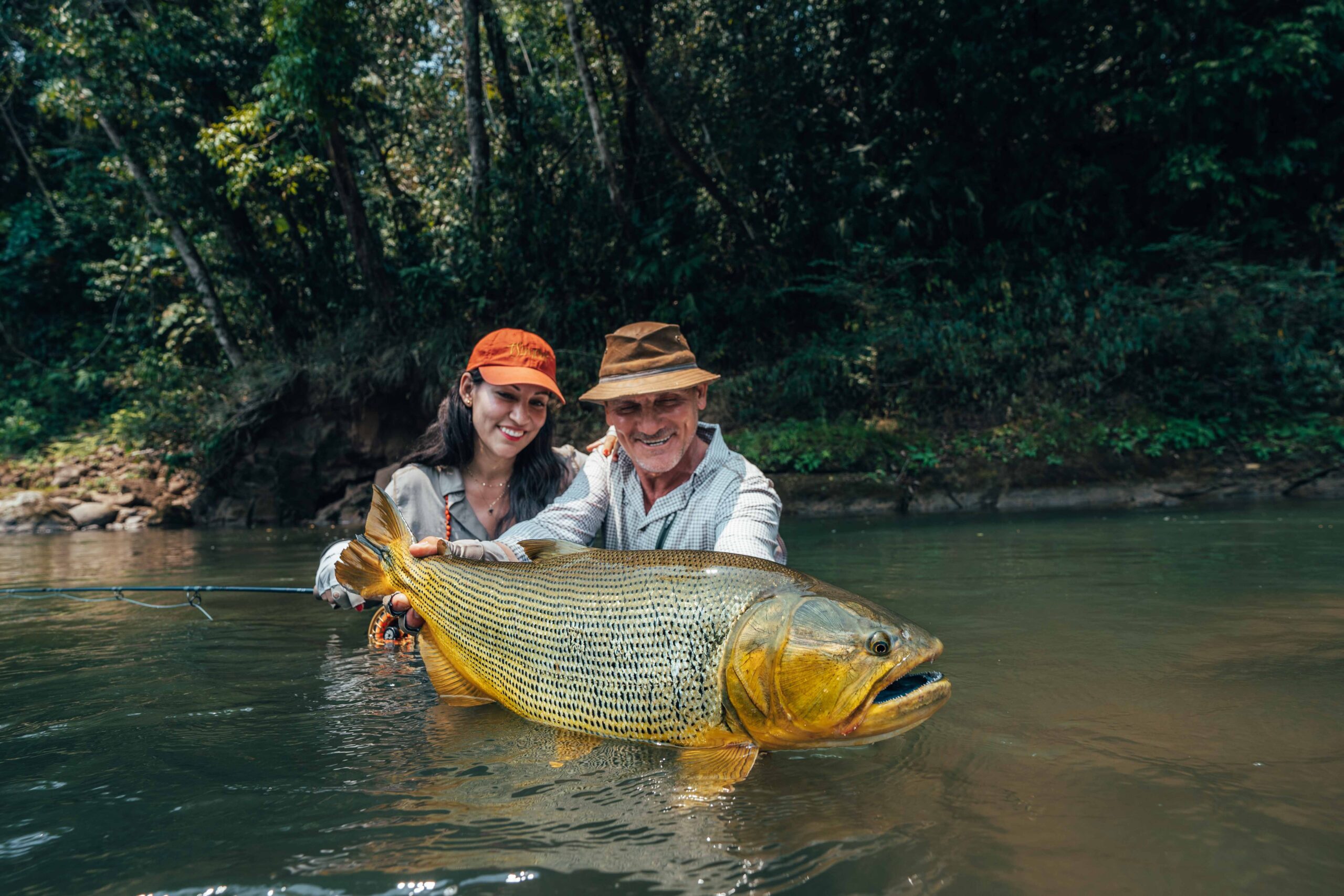
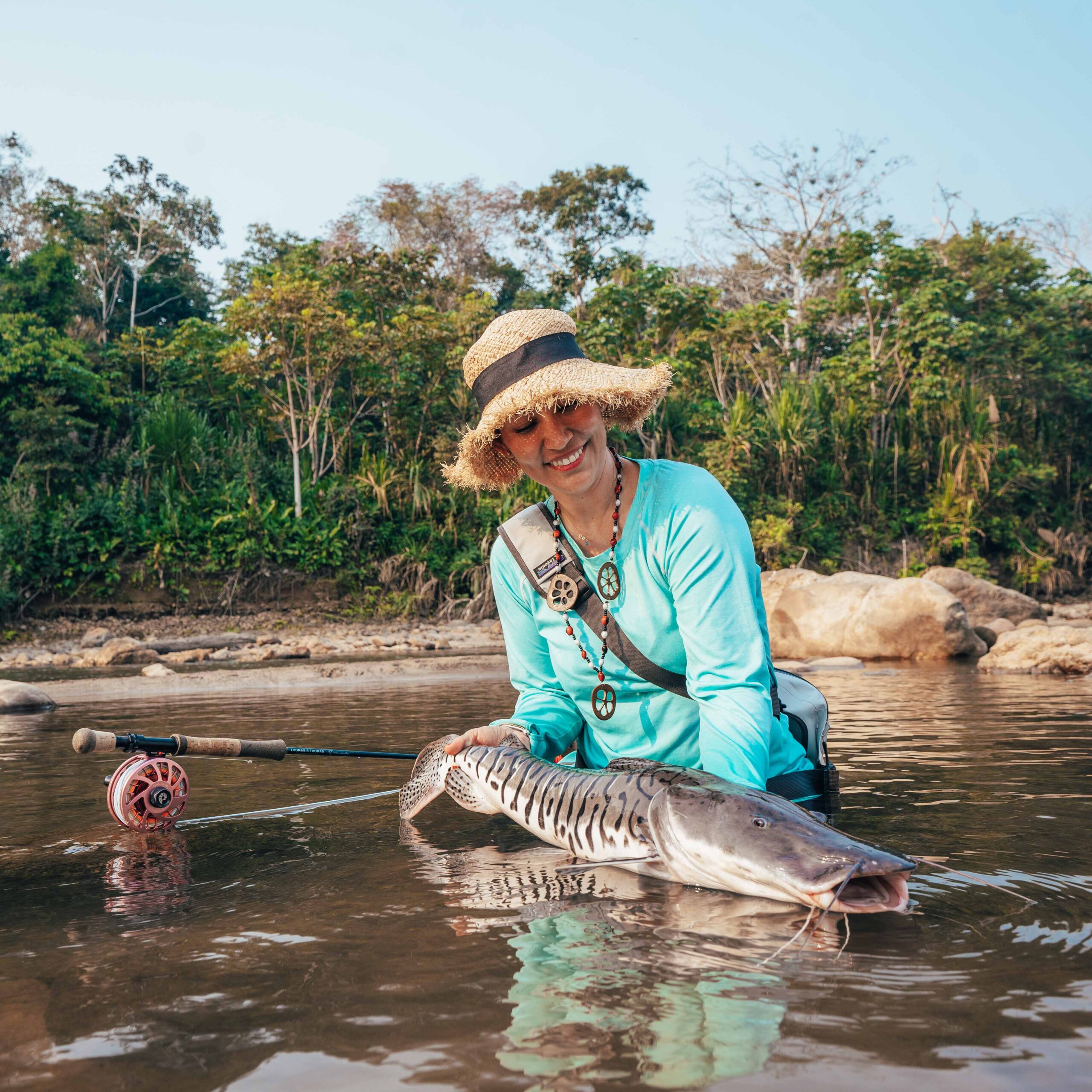
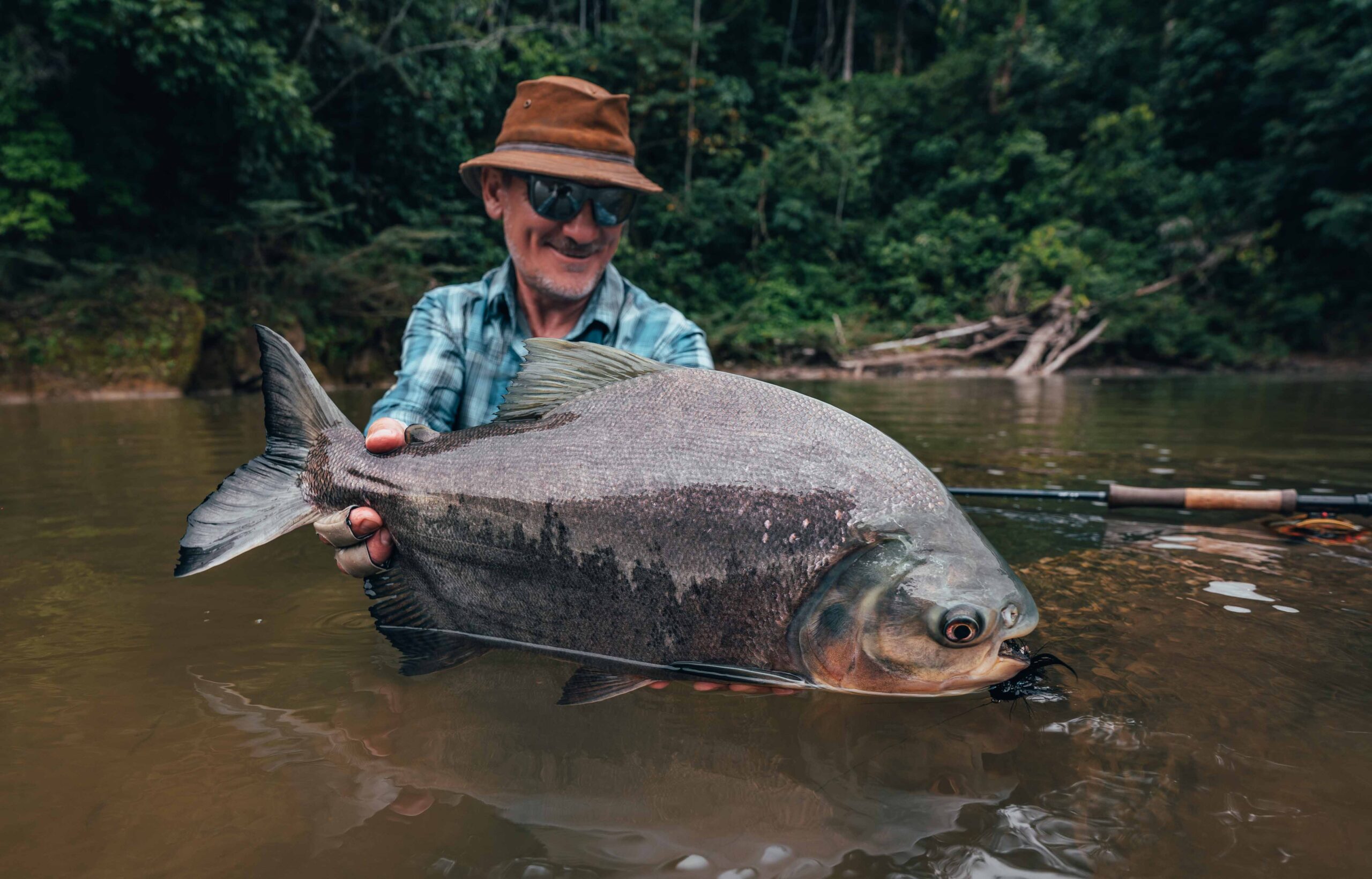
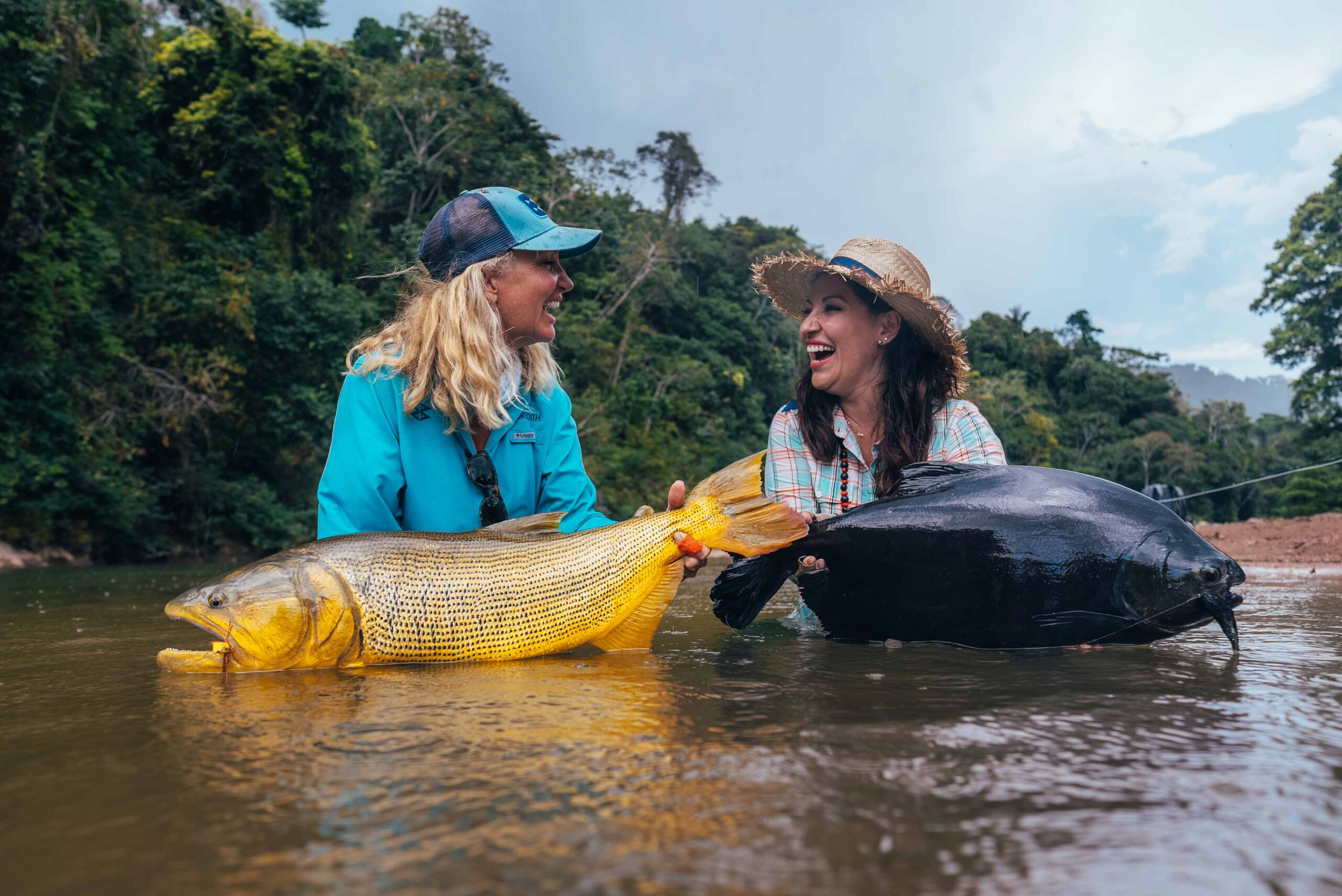
Target all four primary species: aggressive golden dorado (the star of the show, with aerial fights and sight-casting opportunities similar to bonefishing on the lower flats), large pacú that sip fruit and nuts from the surface, yatorana, and surubí. Techniques range from streamers and poppers in feeding frenzies to delicate presentations on clear, shallow water.
A typical day starts with breakfast around 7 a.m., fishing from 8 a.m. until mid-to-late afternoon with a riverside lunch, returning to the lodge for appetizers, drinks, and dinner. Guides (one English-speaking professional plus native boatmen per two anglers) know every pool and pocket. The Itirizama offers some of the largest and most challenging dorado in the system for those willing to hike farther.
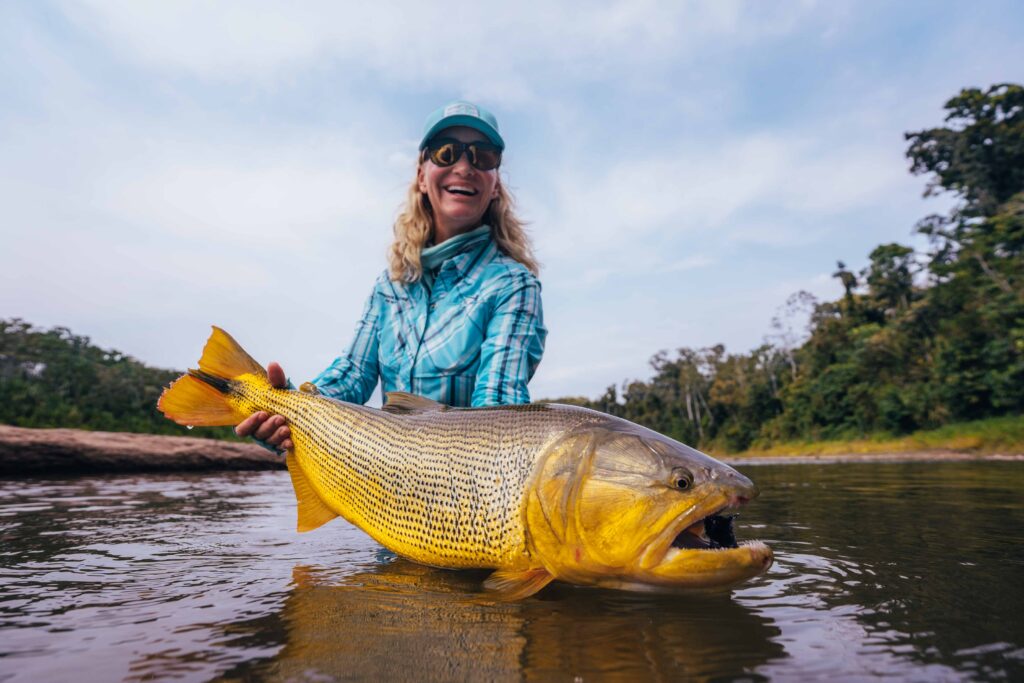
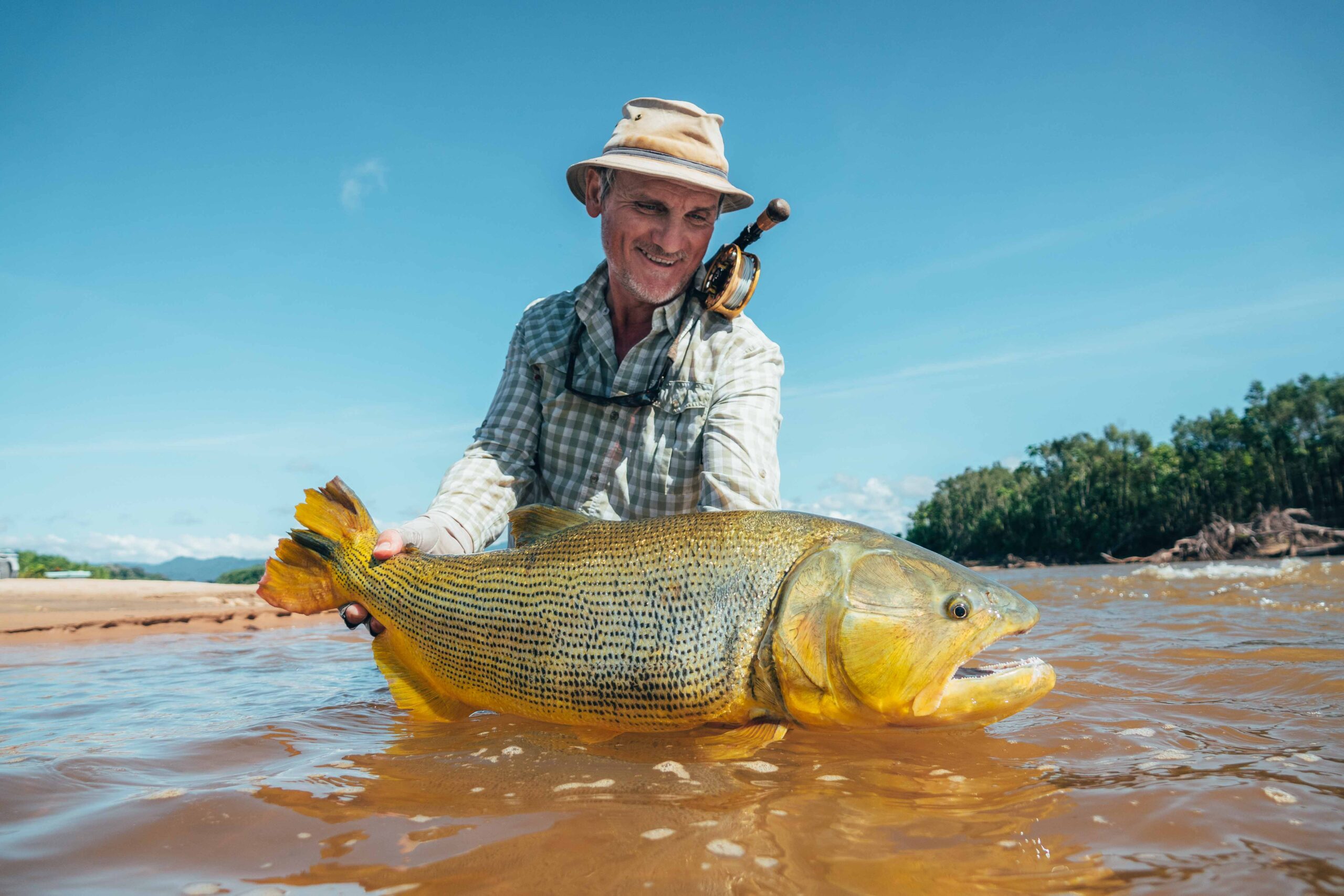
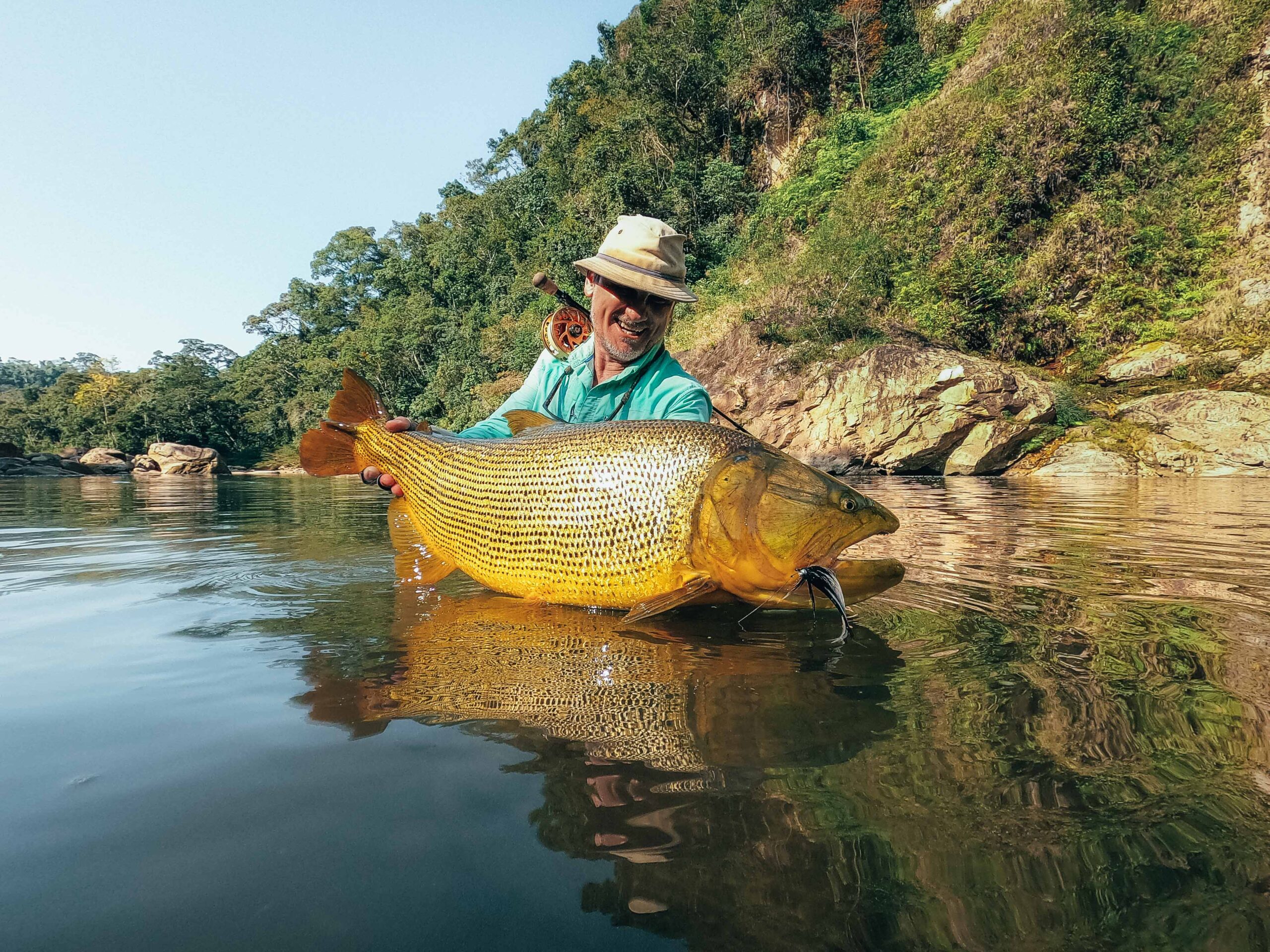
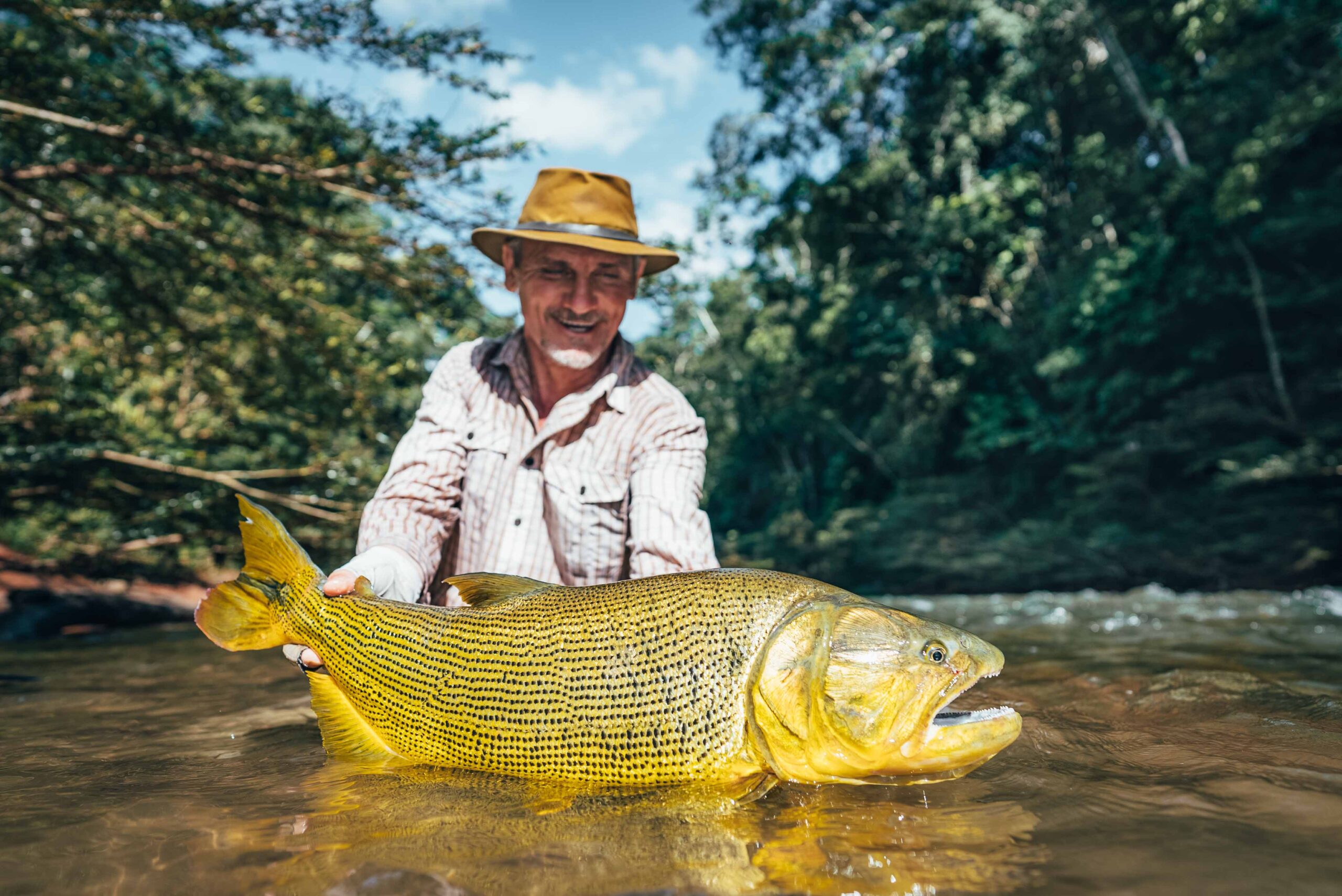
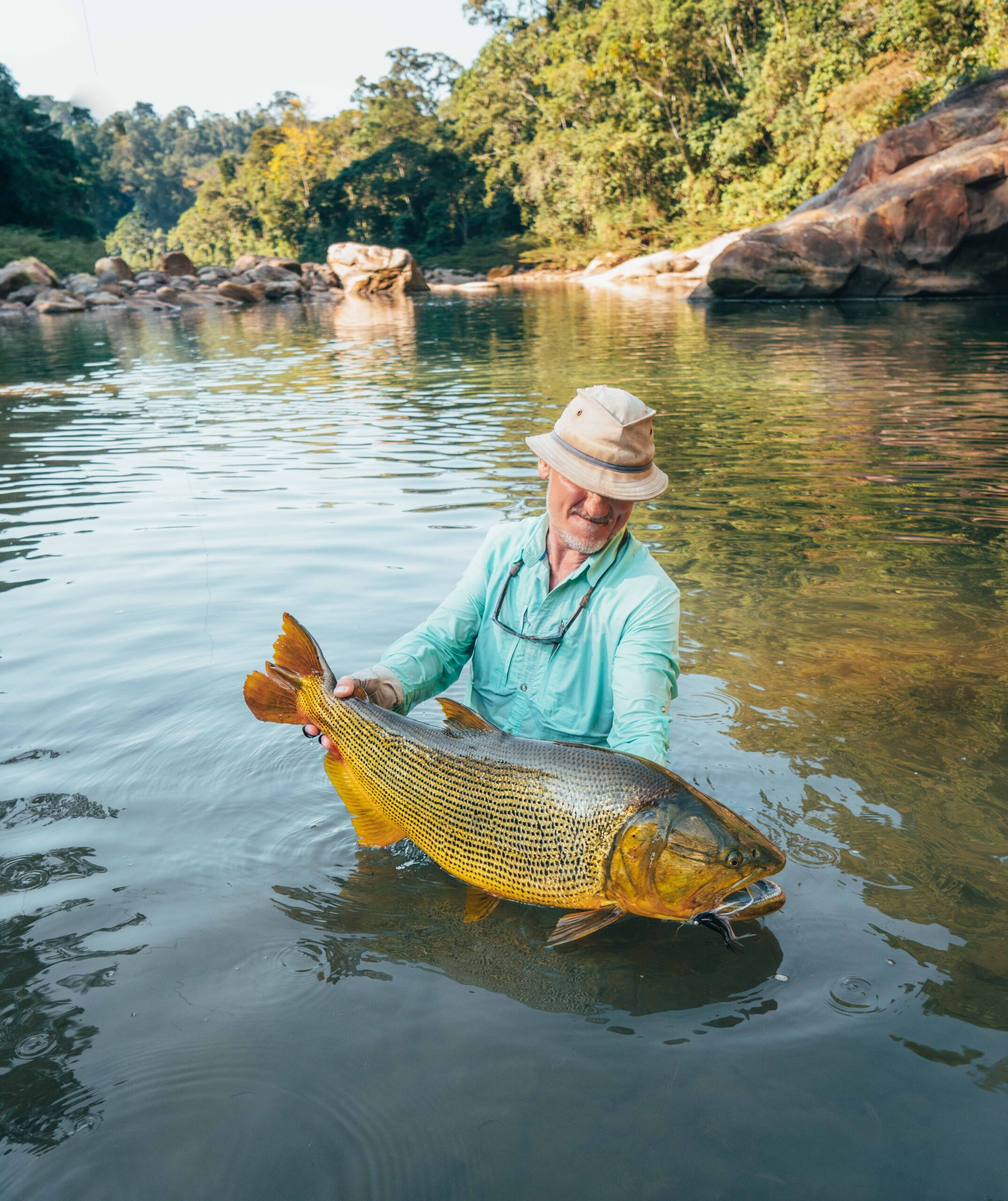
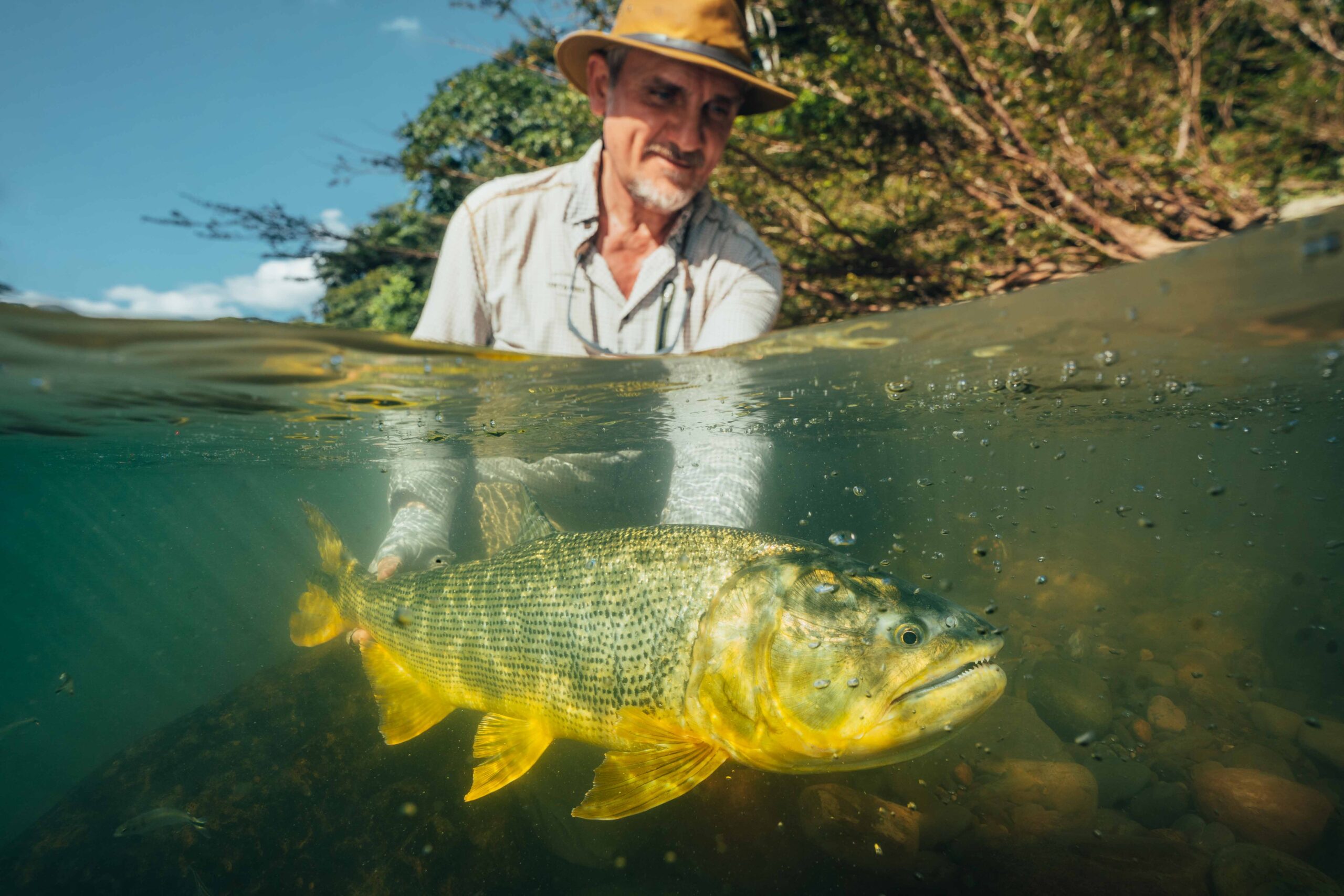
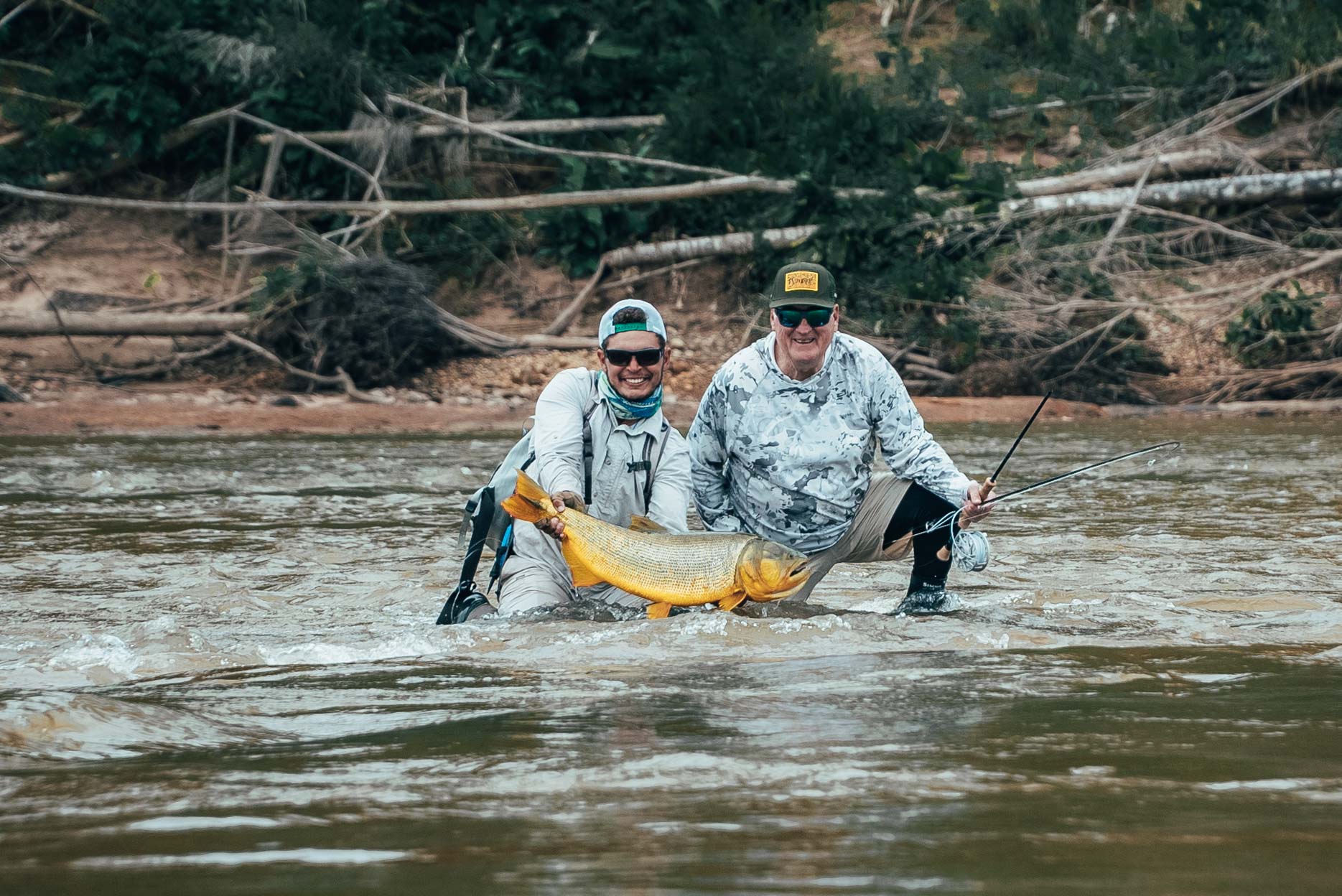
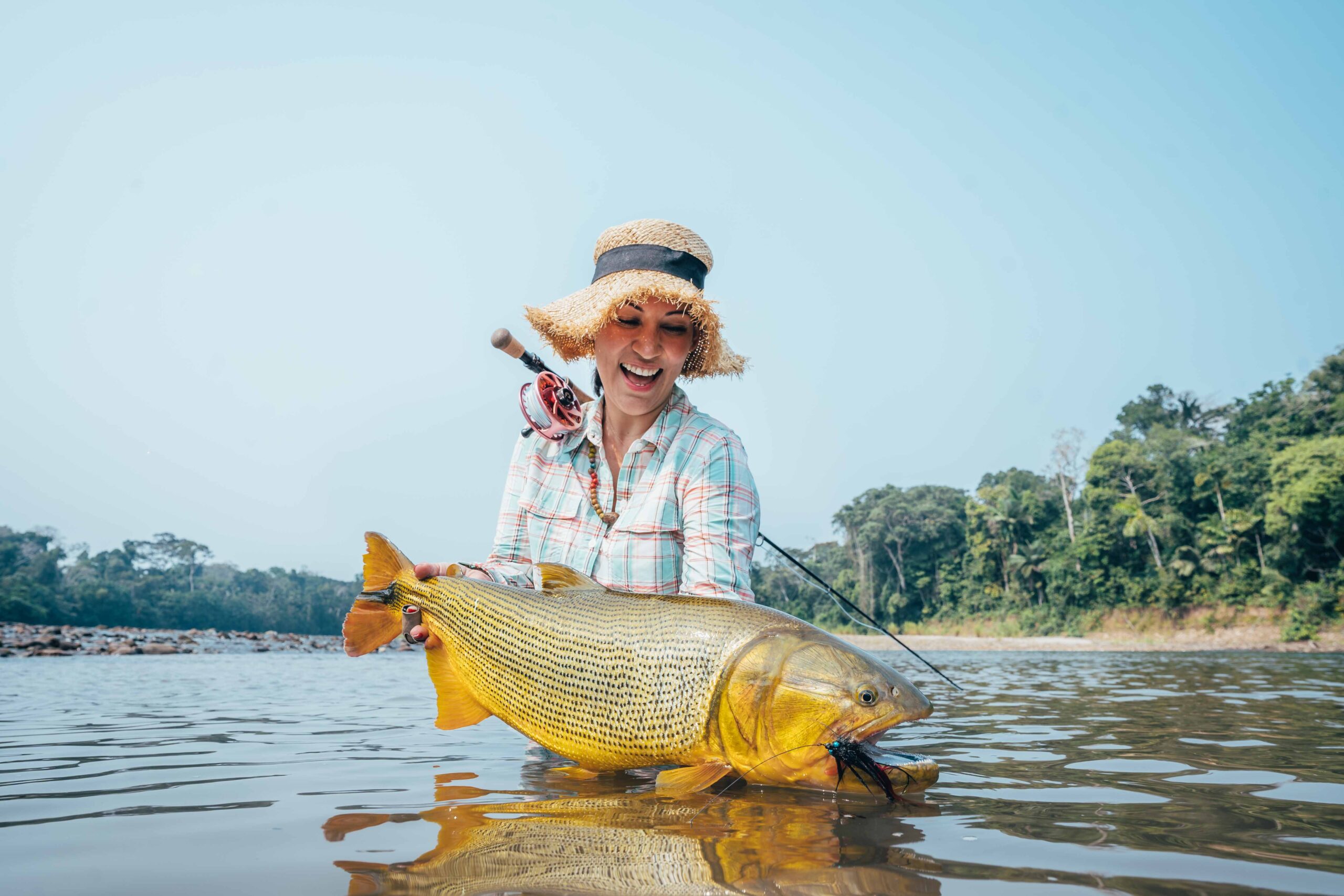
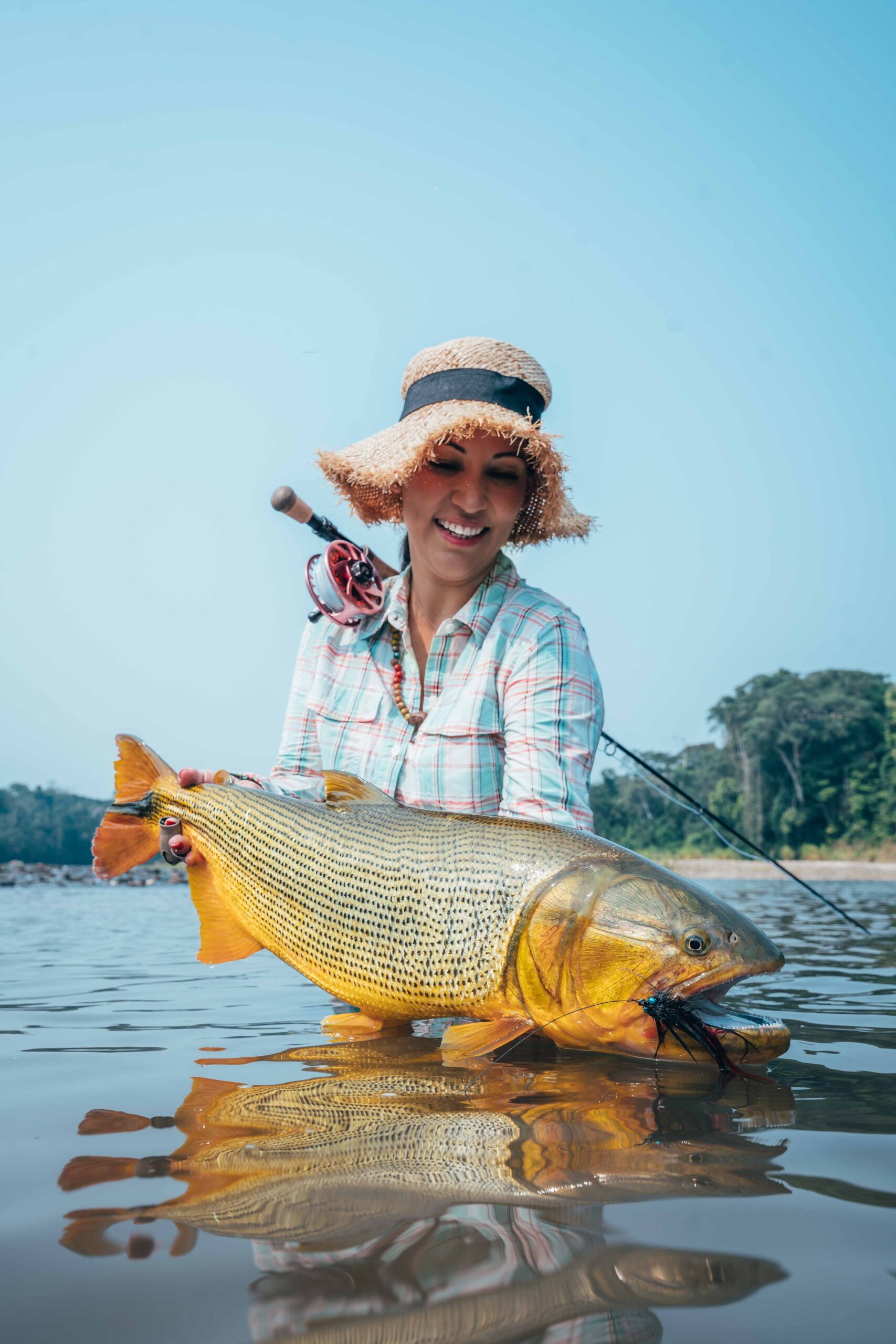
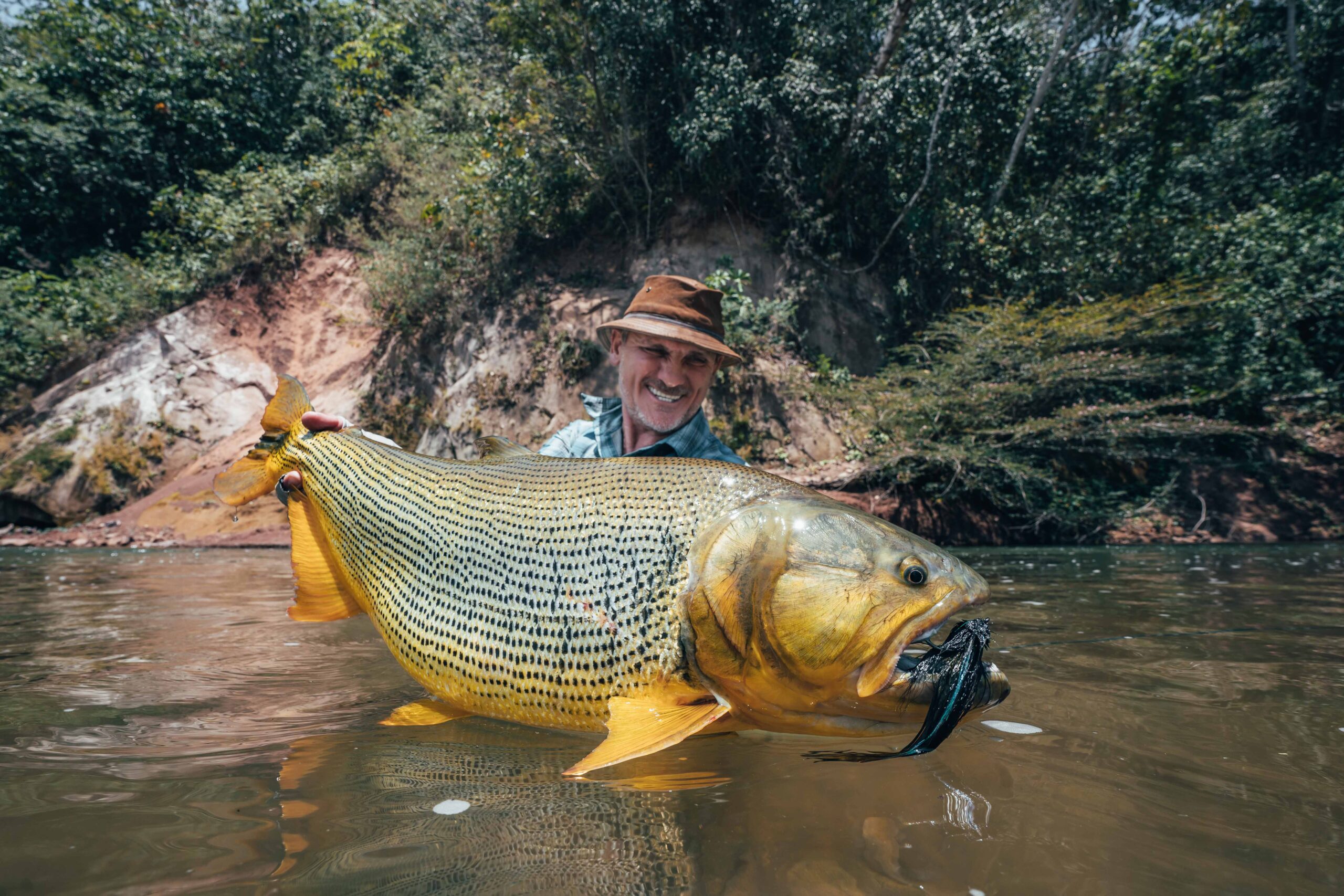
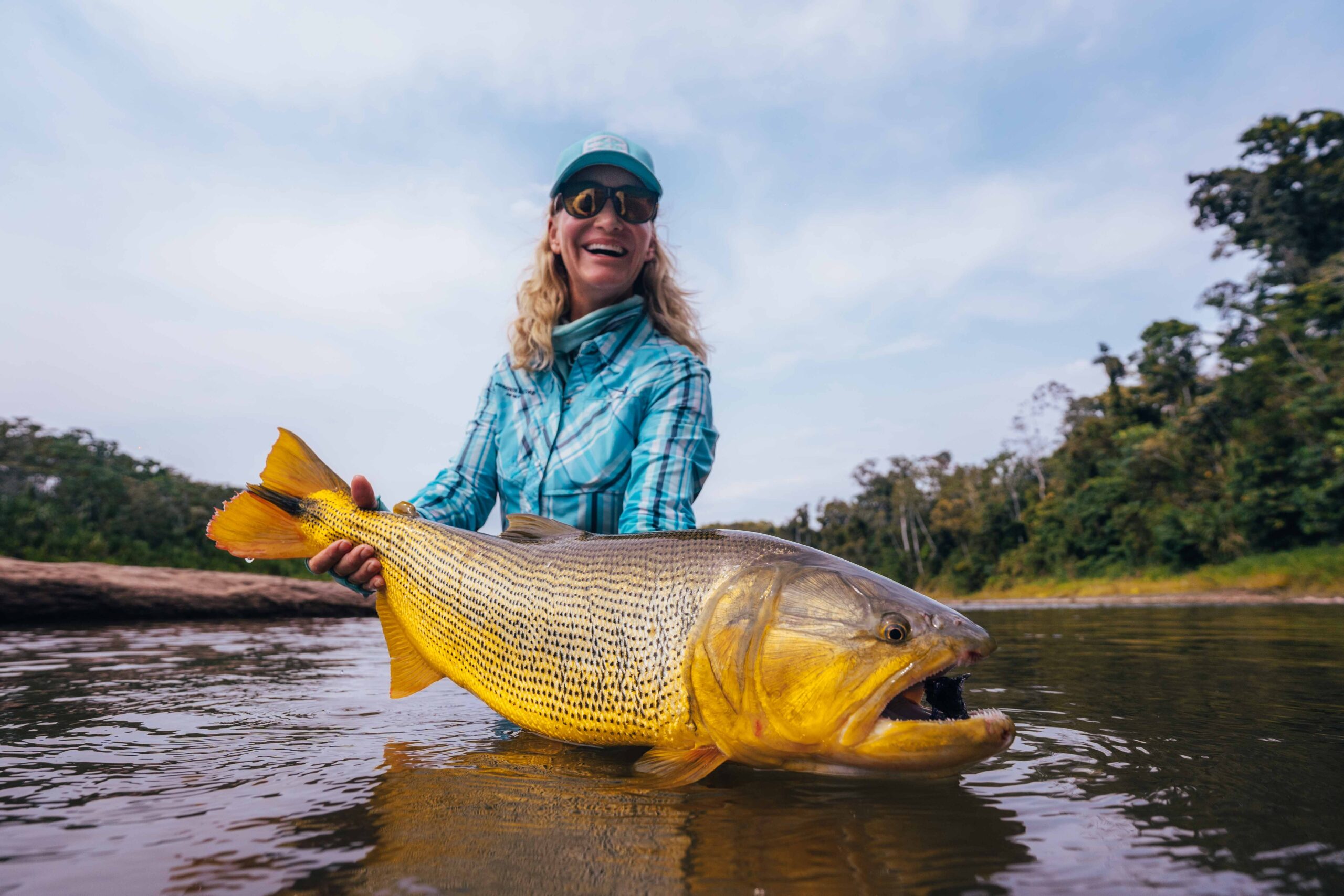
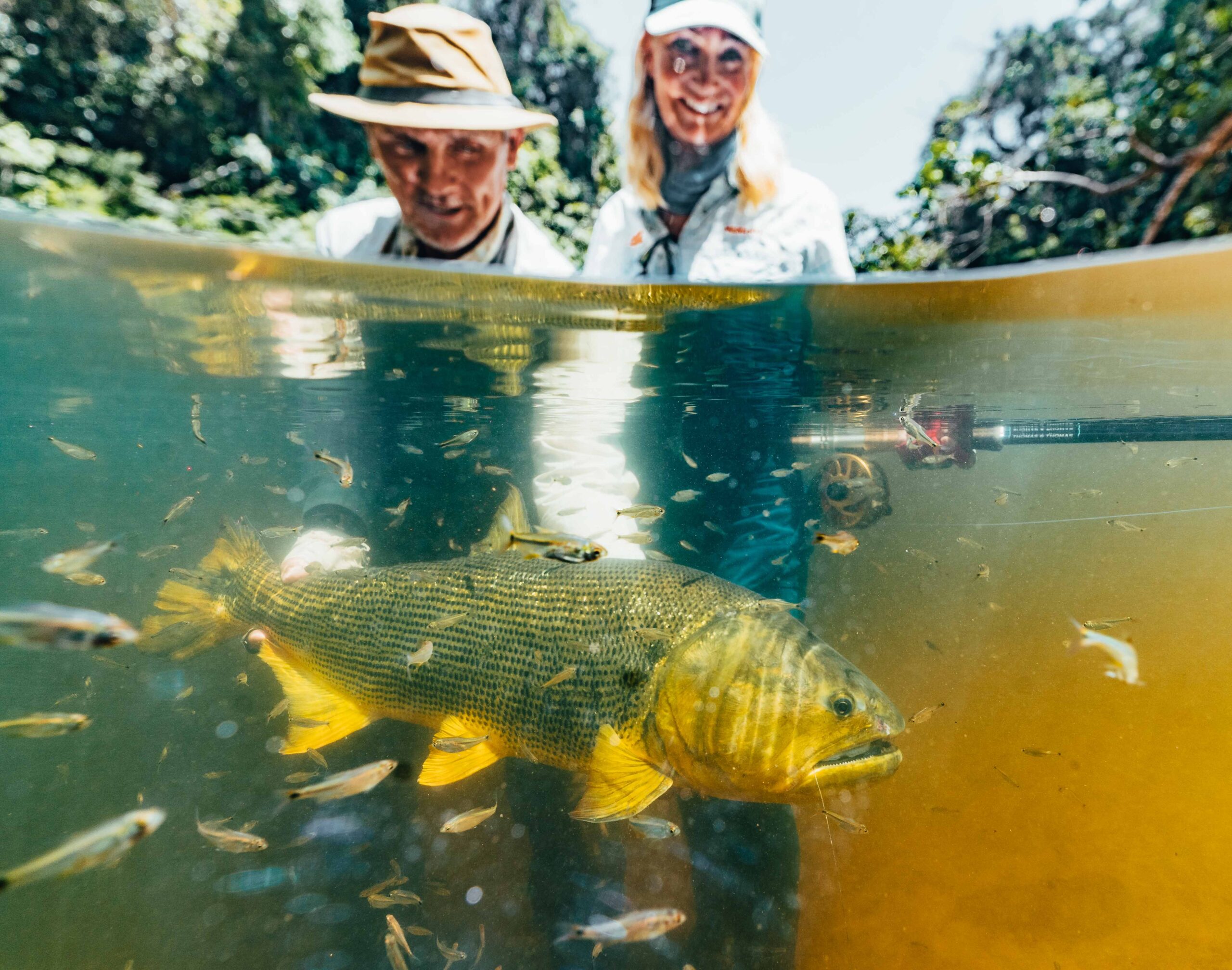
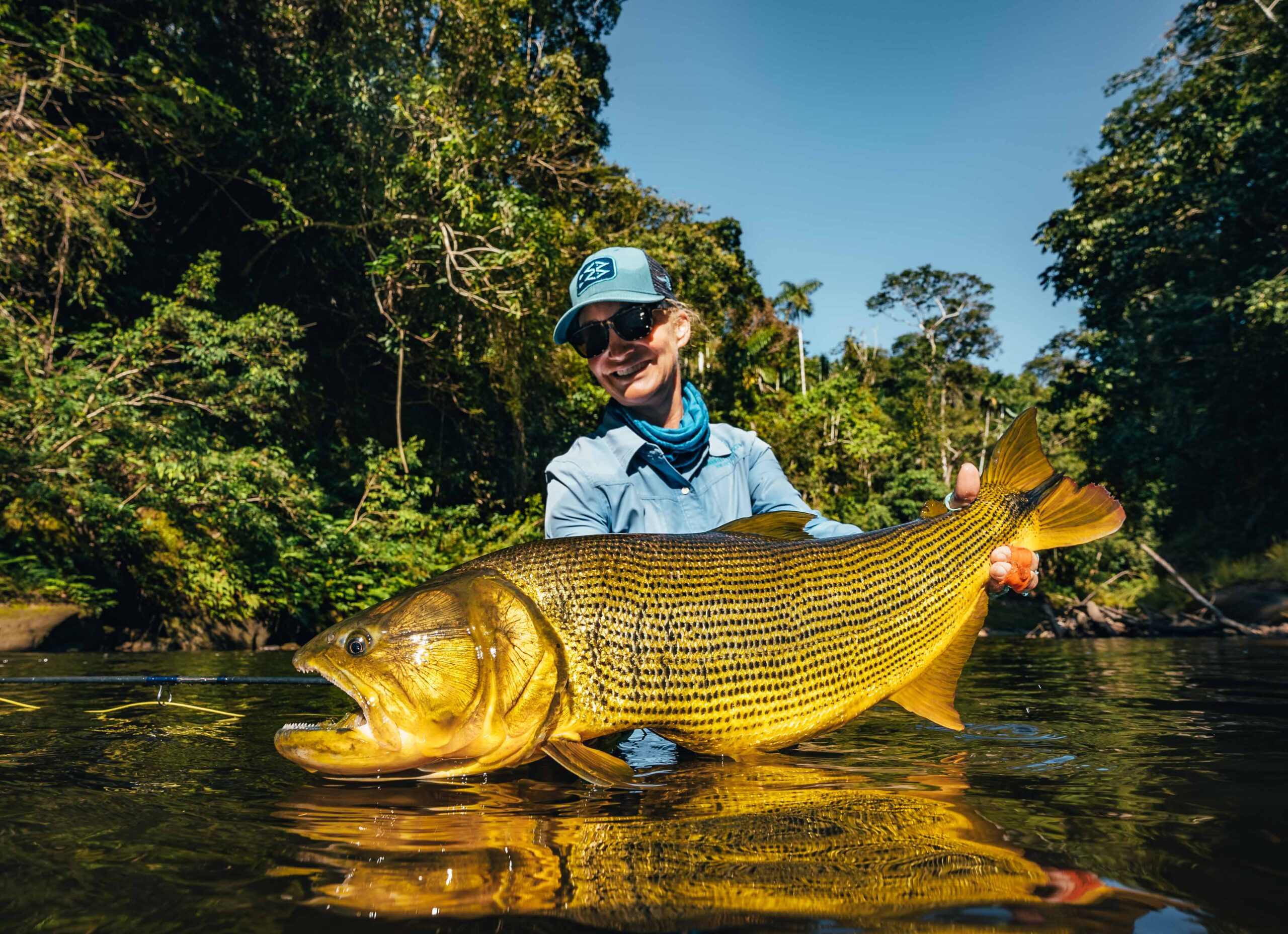
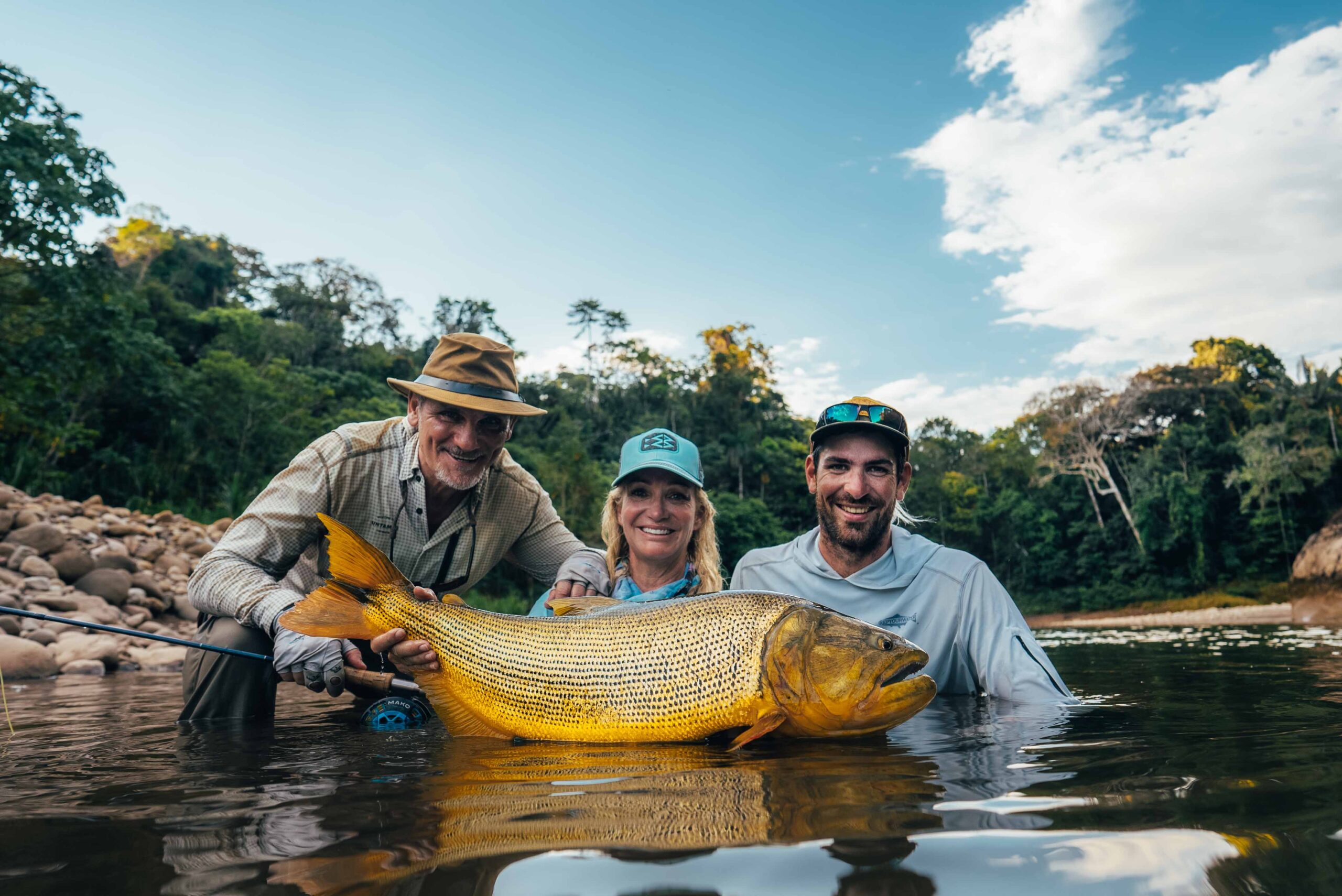
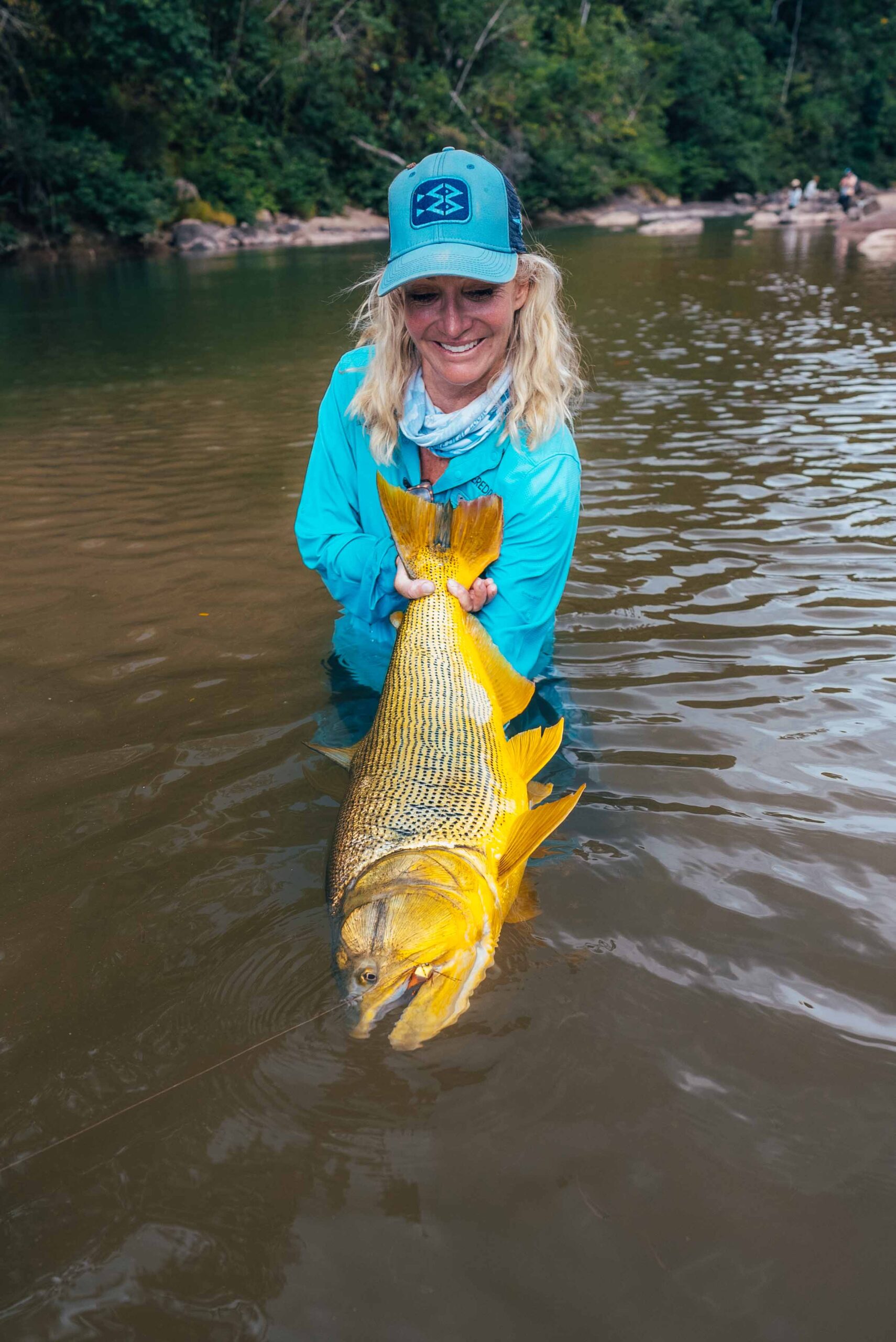
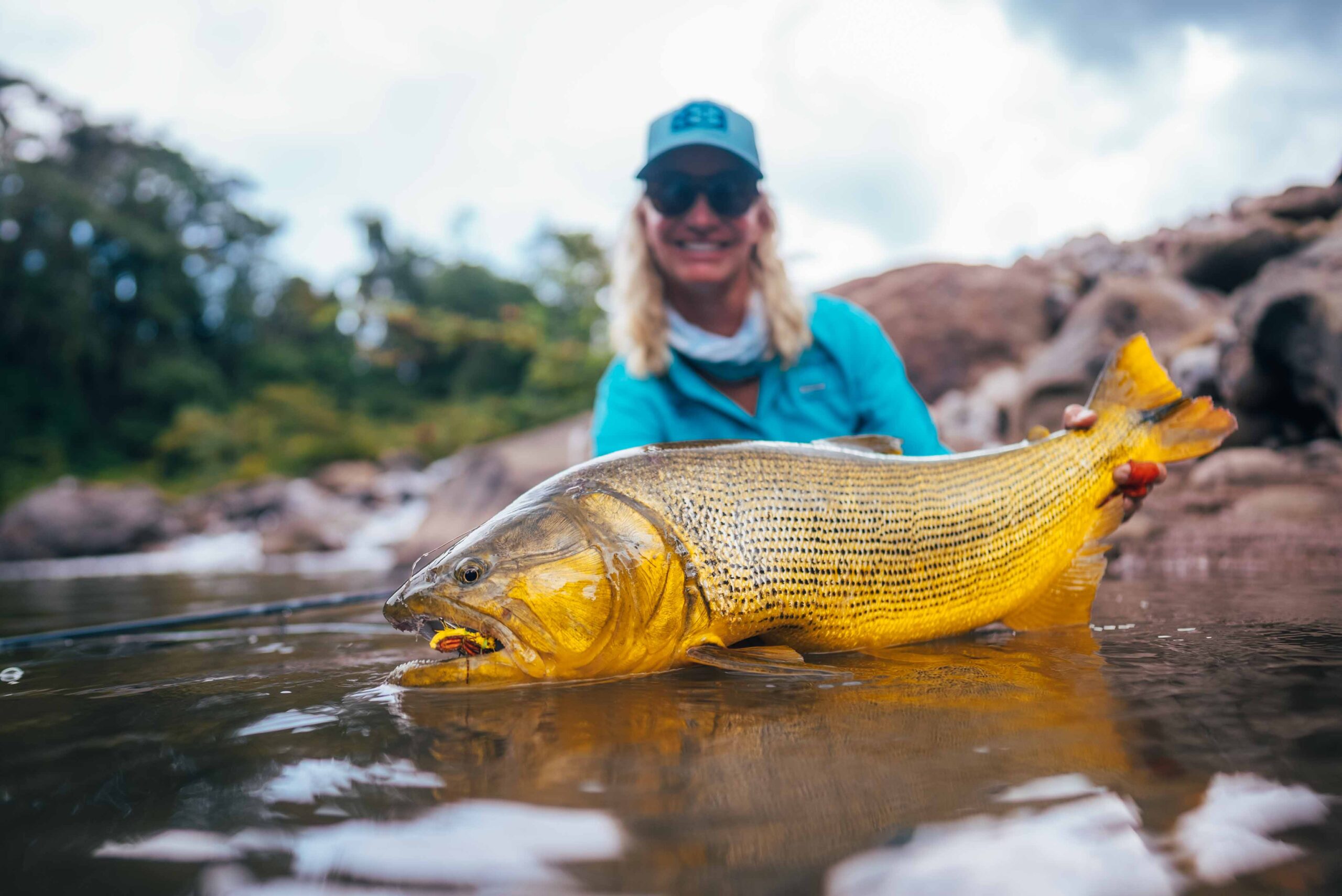
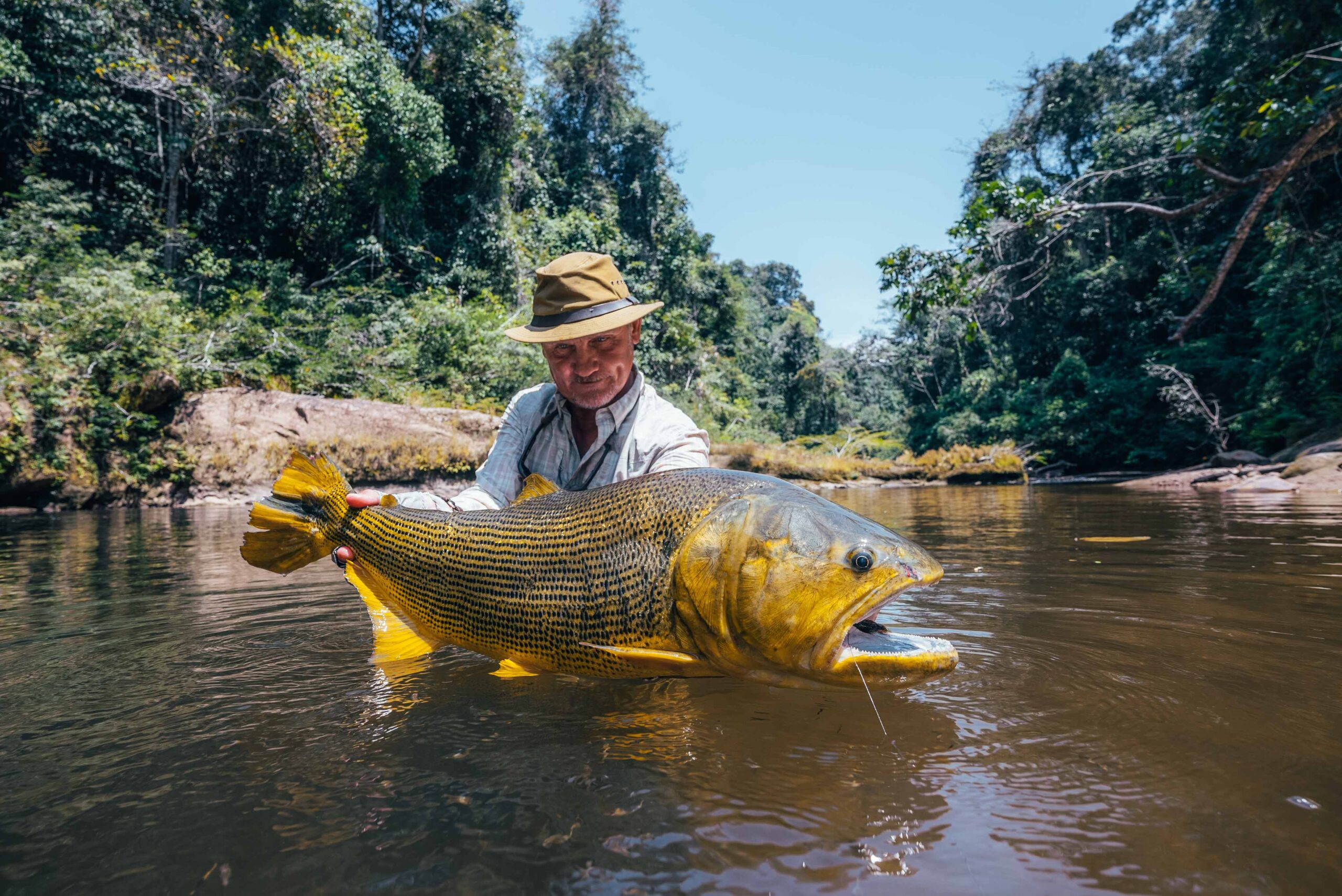
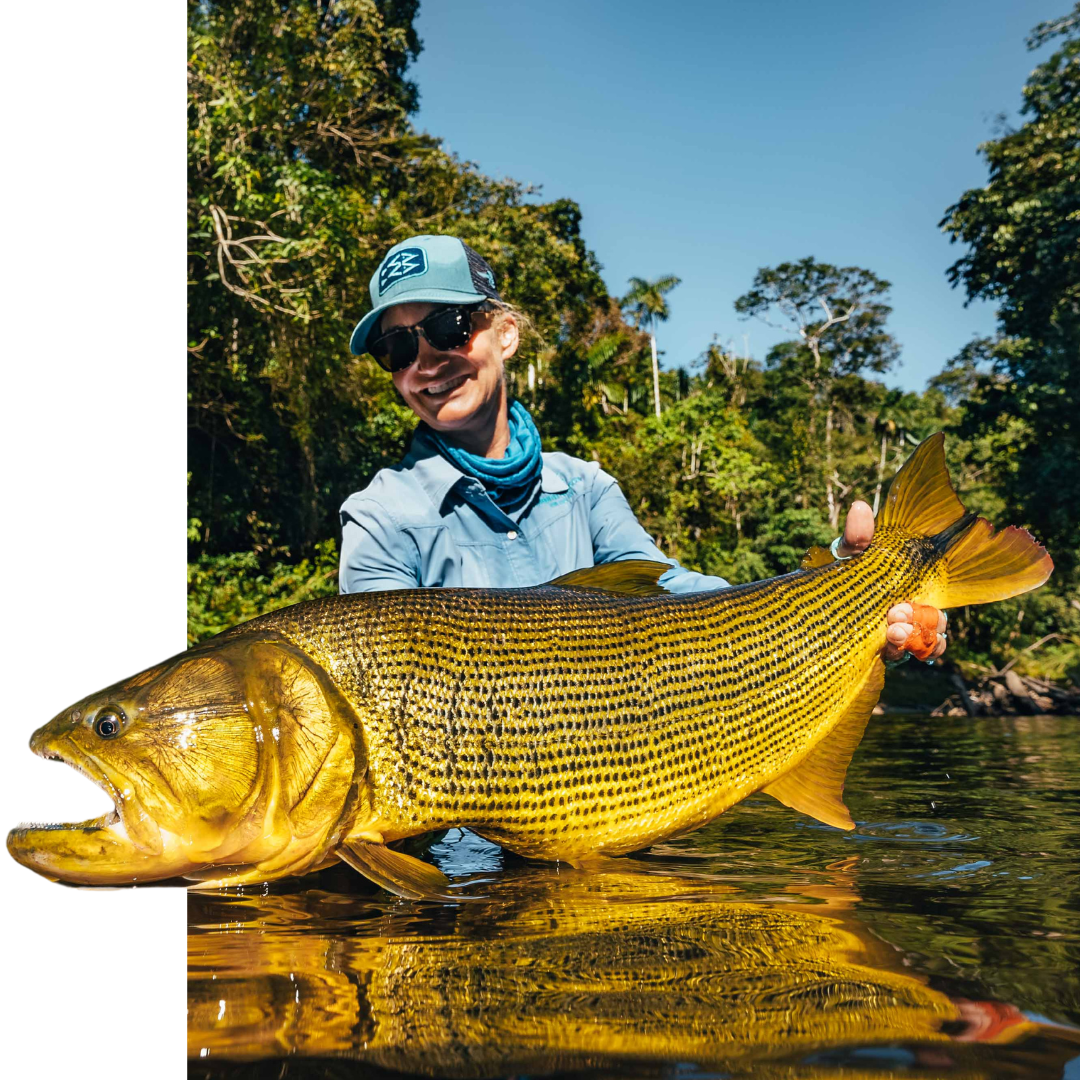
Golden Dorado are the star of the show at Tsimane. Known for their dazzling gold scales and ferocious nature, these apex predators provide an unforgettable fly-fishing experience.
Anglers can expect heart-pounding takes as Dorado ambush streamers in shallow water or aggressively strike flies swung through runs. Dorado are famed for their acrobatic leaps and powerful runs, making them one of the most exciting fish to target on a fly rod. At Tsimane, the abundance of these fish in clear, jungle rivers creates ideal conditions for sight fishing, adding an extra layer of challenge and excitement.
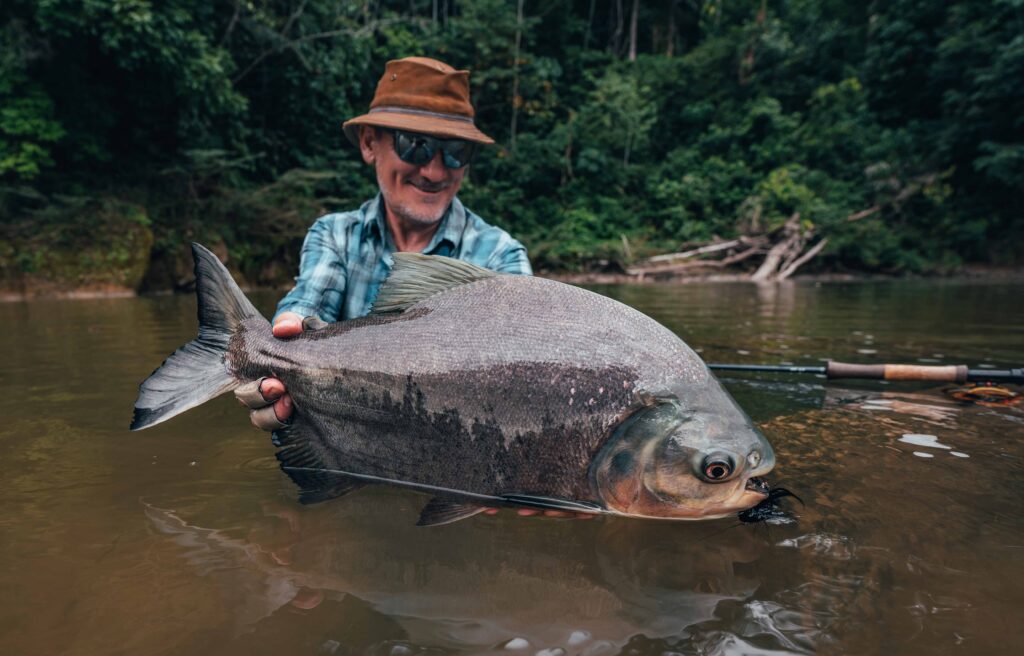
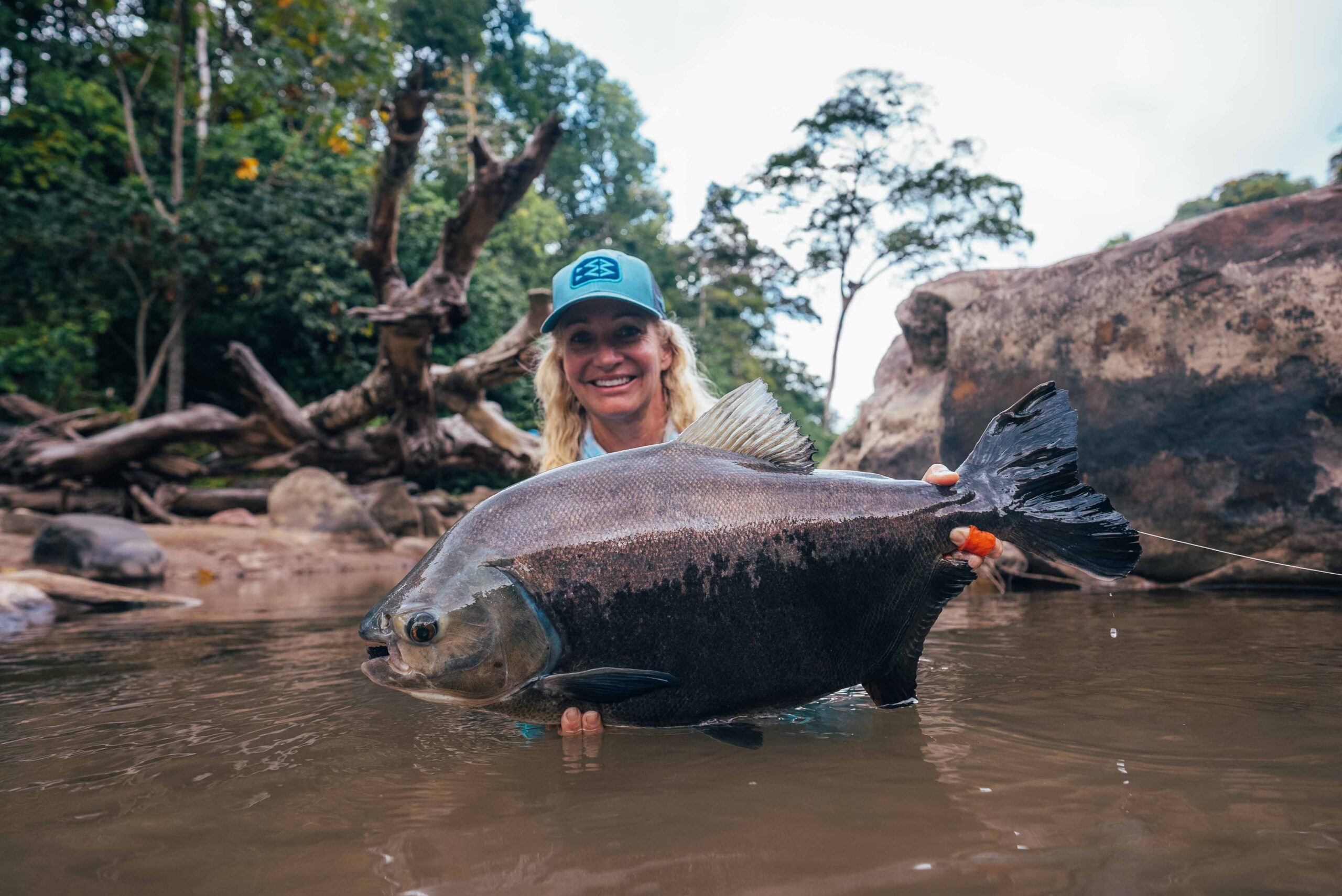
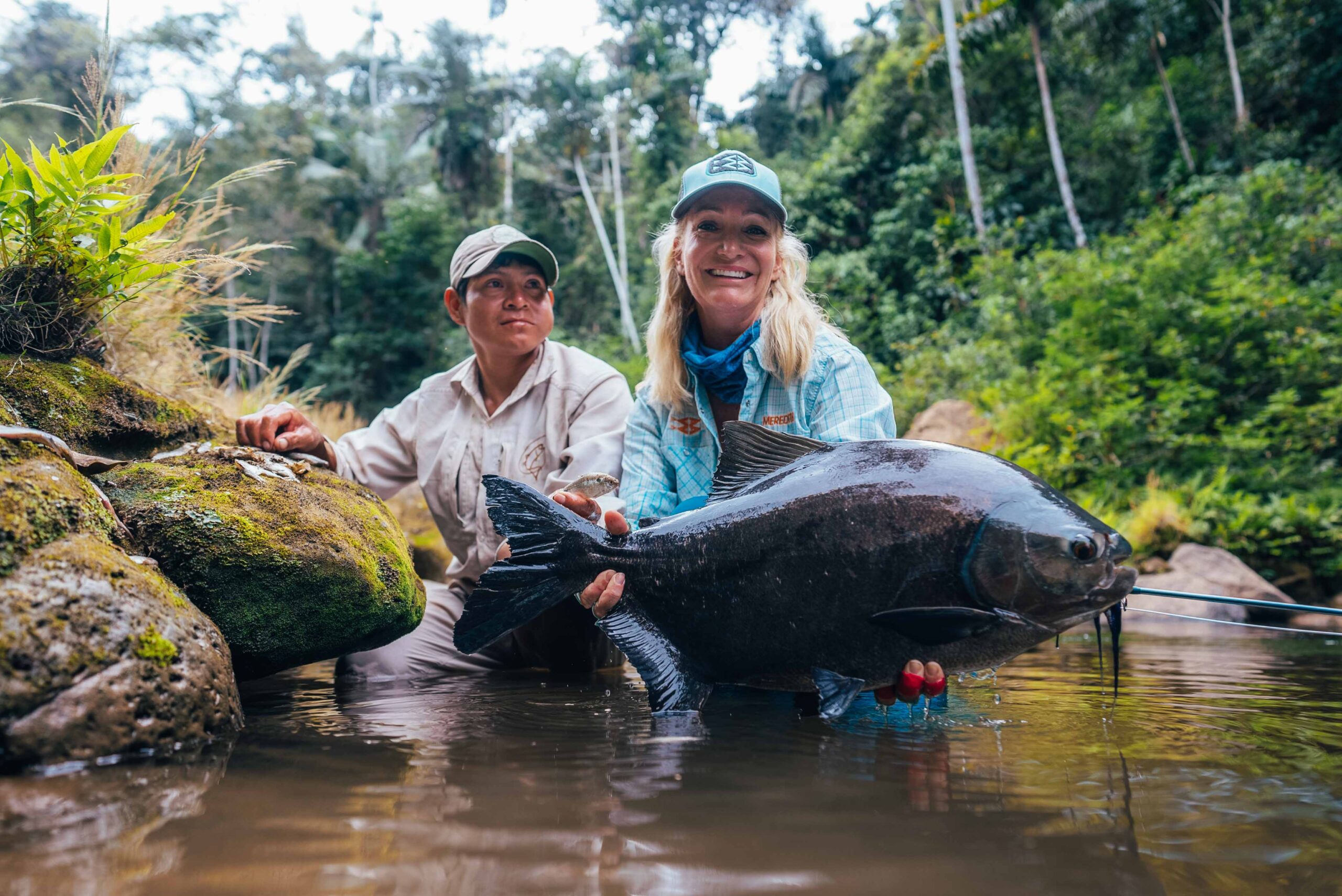
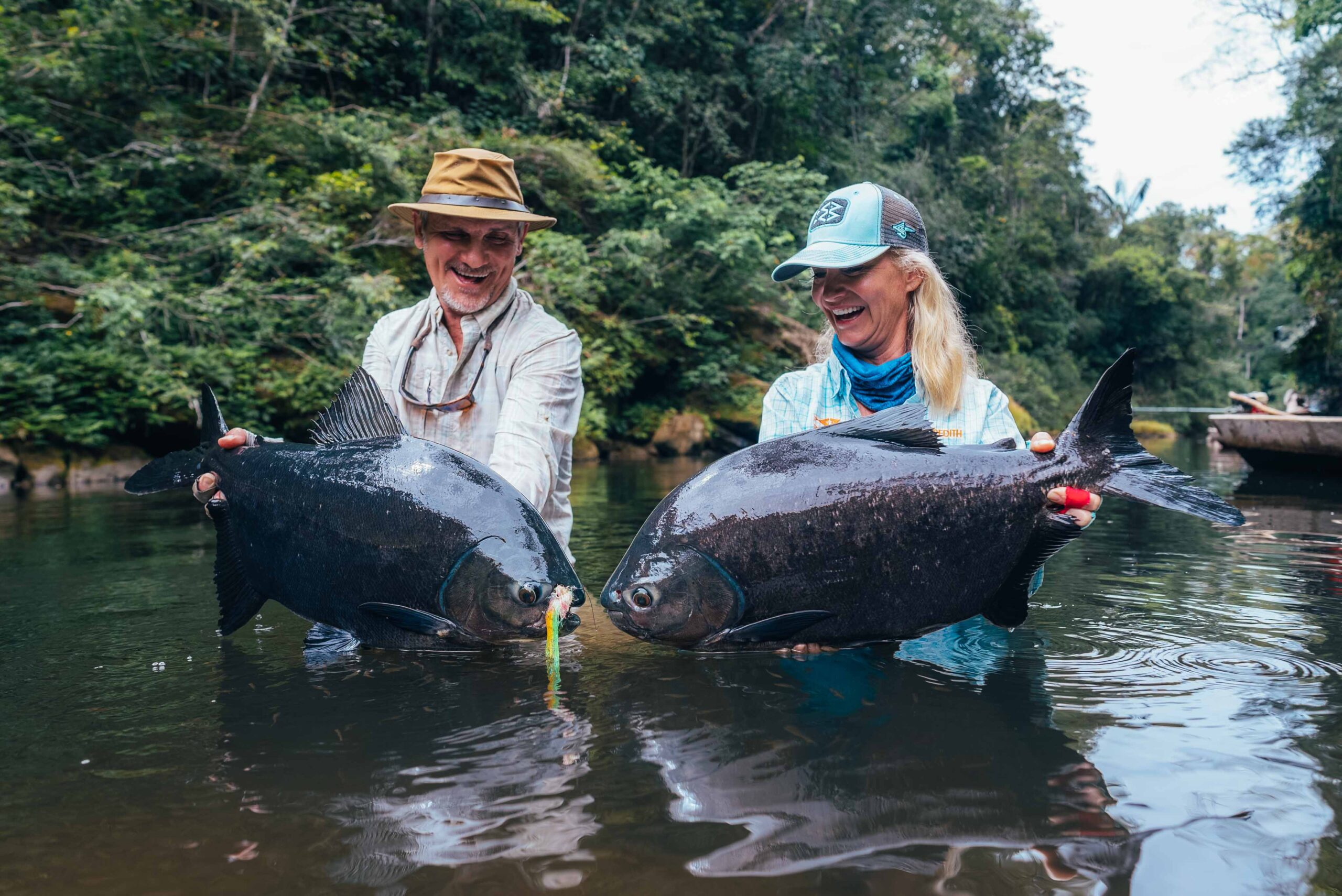
Pacu, often called the “permit of the jungle,” are a prized species for their wariness and strength. These fish have a unique diet that includes fruits, nuts, and small aquatic organisms, requiring anglers to use accurate casts and well-presented flies. Pacu are known for their deep, sustained runs when hooked, testing an angler’s skill and patience. The crystal-clear waters of Tsimane offer the rare opportunity to sight fish for Pacu, creating an exhilarating and technical fishing experience in an extraordinary setting.
Tsimane’s fishing programs offer a once-in-a-lifetime adventure for fly anglers, combining the thrill of pursuing extraordinary species with the beauty and remoteness of Bolivia’s Amazon rainforest.
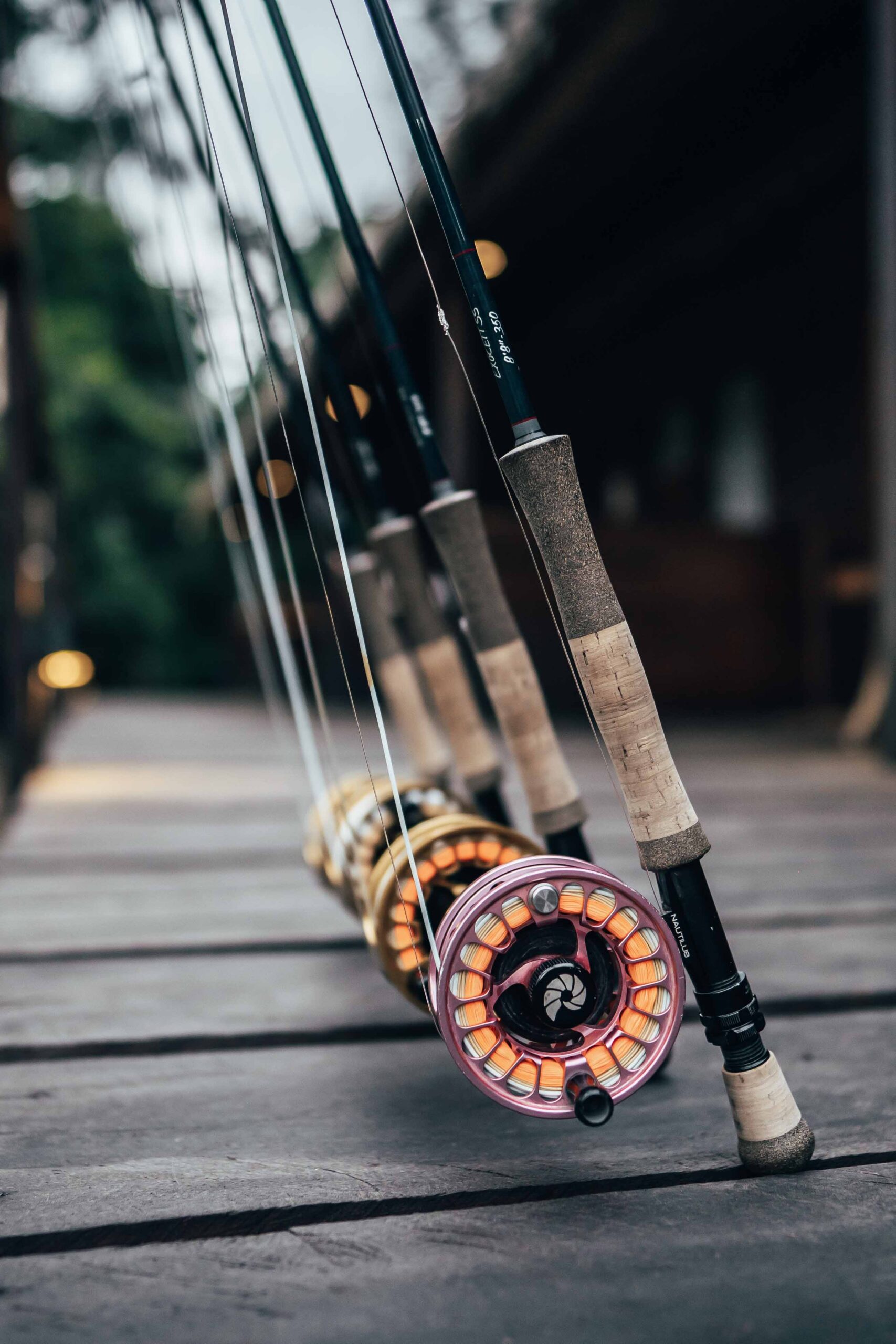
Note: A comprehensive gear list will be provided upon booking.
We recommend bringing 8- or 9-weight single-handed rods, ideally two of each, with one rigged for floating lines and the other with a clear-tip intermediate line. Carrying one or two extra rods is advised. Use an 8-foot, 40 lb. straight fluorocarbon leader paired with a 40 lb., 15/20-inch wire tippet. For gear, we suggest Thomas & Thomas Exocett SS 350 rods, MAKO 9500 or Tournament reels, Scientific Anglers Mastery Jungle Titan 9 lines, Absolute Fluorocarbon shock leaders, and Absolute Predator 7×7 knottable wire. A small on-site fly shop stocks lines, fluorocarbon, wire, and flies.
For wading, keep it simple: quick-drying long pants, long-sleeved shirts or hoodies, felt-soled wading boots, neoprene socks, and a 100% waterproof backpack for your gear. Avoid rubber-soled wading boots, as they are unsuitable for the slippery riverbed.
Successful fly patterns include baitfish imitations, large insects, and fruit imitations, as well as poppers, sliders, and divers. Black-colored streamers or deceivers with vibrant tails (red, yellow, orange, green, or violet) are top choices, particularly the Andino Deceiver, which is 4-8 inches long with 3/0 or 4/0 barbless hooks. Puglisi streamers, Lefty Deceivers, and the Sabalo Snake are also effective. Surface lures such as foam poppers, Titanic Sliders, and Pole Dancers excel for dorado, while larger ground-insect patterns like the Chernobyl Ant are ideal for pacú and yatorana. Flies with excessive flashabou are not recommended.
Classic Experience: $8,950 + $670 Indigenous Fee = $9,620
Heli Fishing: $17,300 + $1,250 Indigenous + Heli Fee = $18,550
Hybrid Program: $14,000 + $1,250 Indigenous + Heli Fee = $15,250
Classic Experience: $9,850 + $670 Indigenous Fee = $10,520
Heli Fishing: $18,500 + $1,250 Indigenous + Heli Fee = $19,750
Hybrid Program: $15,000 + $1,250 Indigenous + Heli Fee = $16,250

If you’re interested in talking to a consultant or booking this adventure, please complete this form.
