

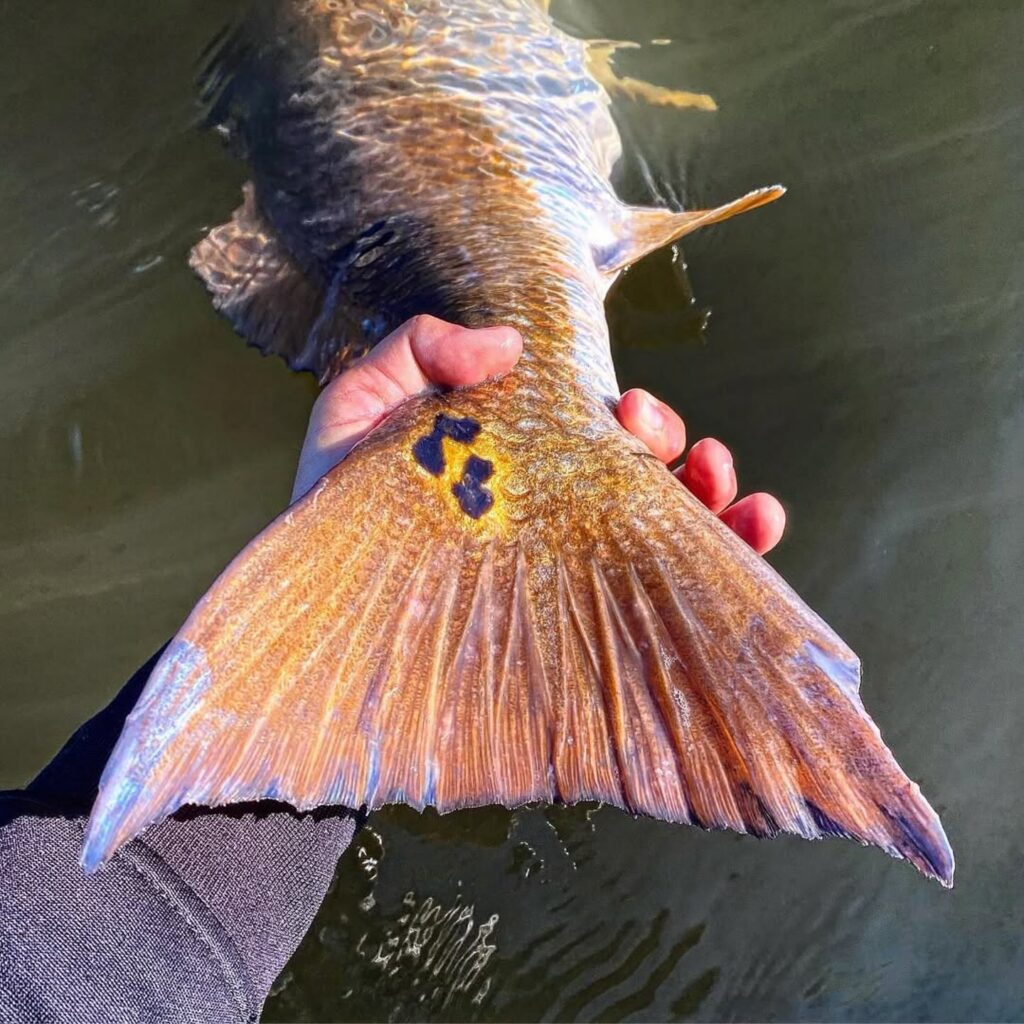
I’ve logged countless hours stalking trout in the freestone rivers and spring creeks of the Inland Northwest, where success hinges on precise drifts and subtle presentations. That technical background made me think saltwater fly fishing would feel familiar. Then I experienced Louisiana redfish on the fly. It’s a completely different game – one defined by power, accessibility, and a raw environment that sets it apart from bonefish flats in the Bahamas, tarpon in the Keys, or redfish fisheries elsewhere in the U.S.
Louisiana has earned its title as the Redfish Capital of the World for good reason. The Mississippi River Delta creates conditions that let fly anglers target trophy bull reds in skinny water in ways that are rare or impossible in most other domestic destinations. Here’s what makes this fishery uniquely compelling.
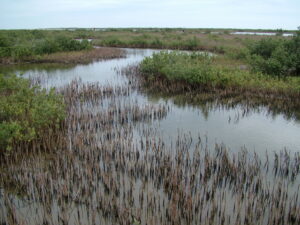
The Distinctive Louisiana Marsh Habitat
The sheer scale and productivity of Louisiana’s marshes set the stage. The Mississippi River Delta forms a vast, ever-shifting network of bayous, ponds, and tidal flats spanning thousands of square miles. Nutrient-rich waters from the river fuel an incredibly productive ecosystem, allowing 20- to 40-pound bull redfish to push confidently into water as shallow as 1-3 feet.
This differs markedly from other U.S. redfish areas. In parts of Texas or Florida, larger fish often stay in deeper channels or offshore because of different coastal geography and structure. Louisiana’s eroded barrier islands and open marsh system give big reds direct access to the shallows, especially during cooler months when water clarity improves after cold fronts. The result is genuine sight fishing for oversized fish in a dynamic, muddy, wildlife-filled environment… complete with alligators, wading birds, and sudden tidal shifts.
Redfish Behavior That Stands Out
Louisiana reds behave with an aggression and forgiveness that surprises anglers accustomed to ultra-spooky species. Bonefish demand long, delicate casts and flawless presentation; a missed shot often ends the opportunity. Redfish here frequently offer multiple looks at the fly, even if the initial cast lands imperfectly. They charge crab and shrimp patterns with intent, then deliver a bulldog fight characterized by powerful runs, head shakes, and determined surges in tight quarters.
Unlike tarpon, which clear the water in spectacular leaps, or bonefish that can scream off hundreds of yards of backing, Louisiana reds fight with gritty, close-range power. This makes the experience more accessible for intermediate fly anglers while still challenging enough for veterans. You get tailing “marsh punkins” combined with reliable numbers of schoolies in warmer months and legitimate trophies as seasons change – something that is hard to duplicate consistently elsewhere in the country.
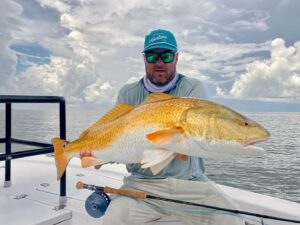
Specialized Gear and Tactics for Louisiana Success
Gear choices reflect the demands of this environment. Most days call for an 8- to 10-weight rod, with a 9-weight serving as a versatile sweet spot. These heavier setups handle wind, bulky flies, and strong fish far better than lighter trout or bonefish outfits. Aggressive, short-headed fly lines help punch accurate casts into small pockets amid grass and oyster beds, while weighted crab patterns, shrimp imitations, and occasional poppers get the job done.
Tactics emphasize stealthy approaches via poled skiff, reading subtle signs in variable visibility, and adapting to wind and soft bottoms. This marsh navigation requires intimate local knowledge of tides, seasonal movements, and hidden ponds; expertise that separates good days from exceptional ones. Coming from technical trout fishing, I appreciated how these elements reward preparation and adaptability without demanding the same level of micro-finesse required on pressured bonefish flats.
The Broader Louisiana Experience [Beyond the Fly Rod]
What truly elevates Louisiana redfish fly fishing is the surrounding culture and accessibility. After a morning on the water, you step into a world of Cajun hospitality, exceptional Gulf seafood, and a living maritime heritage. It’s easy to reach: flights into New Orleans put you within a short drive of premier launches in areas like Venice, Hopedale, or Biloxi Marsh. Yet, it delivers a genuine sense of adventure that remote tropical trips often require more logistics to achieve.
This combination of world-class fishing with authentic Southern character creates a complete trip that stands out among U.S. fisheries!
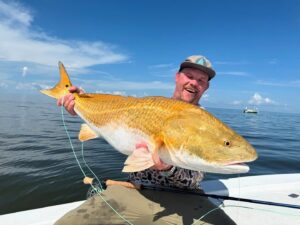
Navigating the Challenges with Expert Guidance
Variable weather, expansive terrain, and shifting conditions can challenge even experienced anglers. That’s precisely why working with knowledgeable local guides transforms the experience. They read the marshes, time the tides, and position you for the best shots at fish that might otherwise remain hidden. For anglers traveling from places like the Inland Northwest, this guidance bridges the gap between familiar freshwater techniques and productive saltwater marsh strategies.
Why Louisiana Redfish Fly Fishing Deserves Your Attention
Louisiana offers a powerful, visually exciting, and culturally rich alternative to other prominent U.S. fly fisheries. It blends the accessibility of domestic travel with the excitement of targeting big reds in shallow water, all within a productive ecosystem that supports consistent action across seasons.
If you’re ready to experience this unique style of fly fishing, let our team connect you with expert guides and tailored trips designed for everything from first-time saltwater adventurers to seasoned trophy hunters. Browse our Louisiana redfish options or reach out directly at (208) 271-9653.